Updated by the Forest Circular Economy Editorial Department on November 14, 2025, 11:49 PM JST
Editorial Board, Forest Circular Economy
Forestcircularity-editor
We aim to realize "Vision 2050: Japan Shines, Forest Circular Economy" promoted by the Platinum Forest Industry Initiative. We will disseminate ideas and initiatives to promote biomass chemistry, realize woody and lumbery communities, and encourage innovation in the forestry industry in order to fully utilize forest resources to decarbonize the economy, strengthen economic security, and create local communities.
The cultural brand "yusan" will launch on November 29th, using disused plantation forests in Mugi Town, Tokushima Prefecture as its field. It aims to rebuild the relationship between people, culture, and nature, starting from sensitivity and creativity.Aiming to revive the "yusan culture"—once deeply rooted in Tokushima—as an everyday practice of entering the mountains, it seeks to address the management challenges faced by Japanese forest owners through solutions encompassing both cultural and economic dimensions.
The brand champions the concept of “sensory reboot,” aiming to transform the value of neglected mountain forests—currently an economic liability—into an asset. Specifically, it reimagines mountains as places that generate culture and sensibility, helping people reclaim lost bodily awareness through experiences within the mountains, and rebuild their relationship with the mountains through the act of "creating."
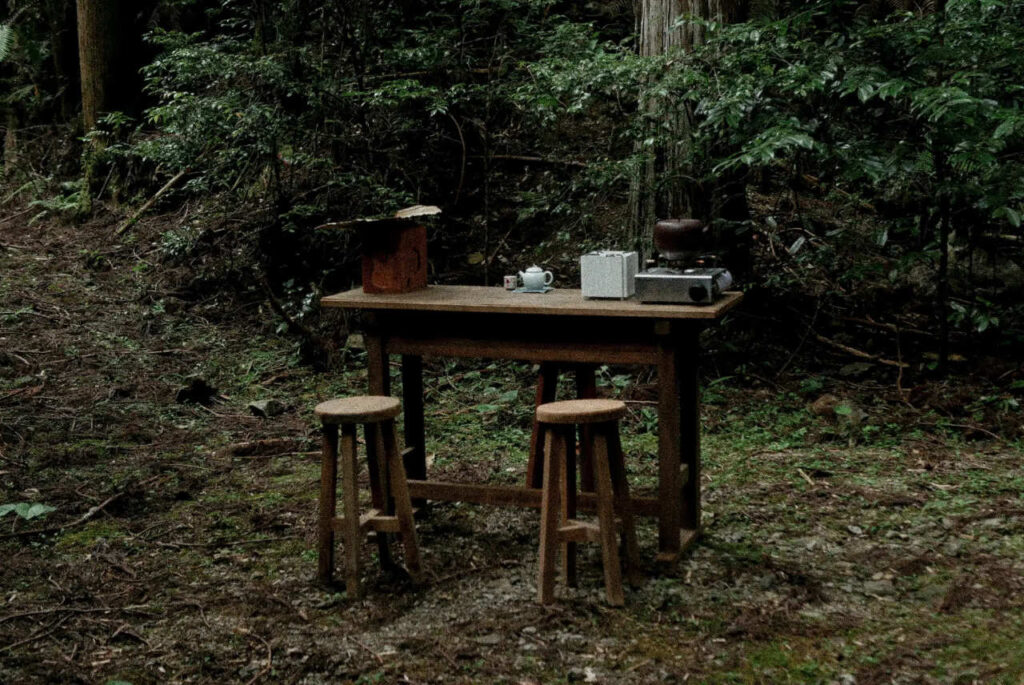
The core of our activities is "contemporary yusan culture." "Yusan" means going out to play in the mountains and fields. In Tokushima, there was once a custom of taking a "yusan box" to the mountains during seasonal festivals. yusan reinterprets this yusan culture for the modern era, defining it as "a lifestyle culture where one ventures into the mountains, performing everyday acts like eating, making, and reading amidst nature, thereby opening up one's sensibilities and creativity."
The defining feature of yusan is that it does not confine forests to tourism or resource consumption, but rather brings everyday actions into the mountains. This attempt to reintegrate the presence of forests into daily life serves as an opportunity to reclaim bodily awareness that has faded in modern living, while also reconstructing the primal relationship of “creating” through human interaction with the mountains.
As specific business initiatives, we will develop three areas: "Providing mountain tea space experiences," "Product development and sales," and "Publishing activities and experience offerings." These include enjoying tea in the mountains, selling tea and furniture made from mountain materials, and providing publications and experiences that promote a "new mountain recreation culture." Each represents an effort to connect the presence of mountains to everyday life.
On November 29th, we will host the experiential event "yusan open market" themed around "Mountains and Play?". Visitors can enjoy food and crafts from 13 vendors from within and outside the prefecture, as well as bancha tea tastings and tea ceremonies. Additionally, we plan to hold an open day once a month at yusan's base, the tea space/shop.
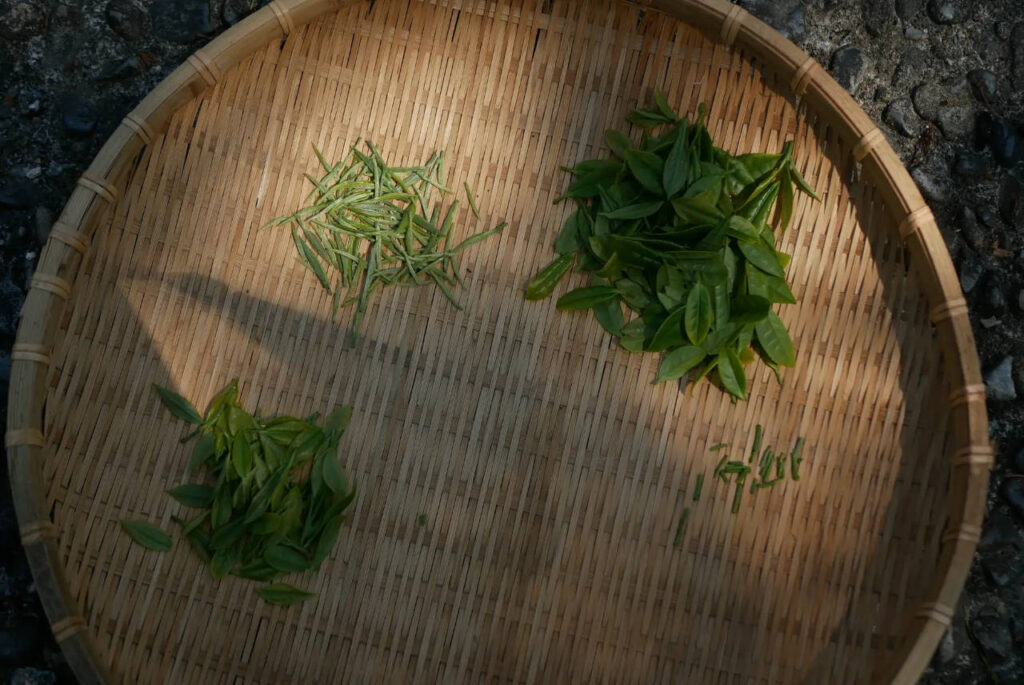
The brand's approach to preserving the natural environment through the lens of "culture" holds the potential to transform mountains once again into both economic and spiritual assets. This Tokushima-based initiative, redefining the value of mountain forests through the dual drivers of culture and economics, may offer insights for solving challenges faced by mountainous forest regions nationwide.
Reference Site
Instagram (@yusan_forest)