



10.8Thu 2026
New GHG Protocol Land Sector Standards, Vol. 2: Are Forest Sinks the Result of Corporate Activities? With the Release of Guidance and the Launch of a Call for Input, the Debate Moves to the Core Issue
In a column published on June 3, 2026, the author discussed the GHG Protocol’s “Land Sector and Removal Standard” […]
10.6Tuesday, 2026
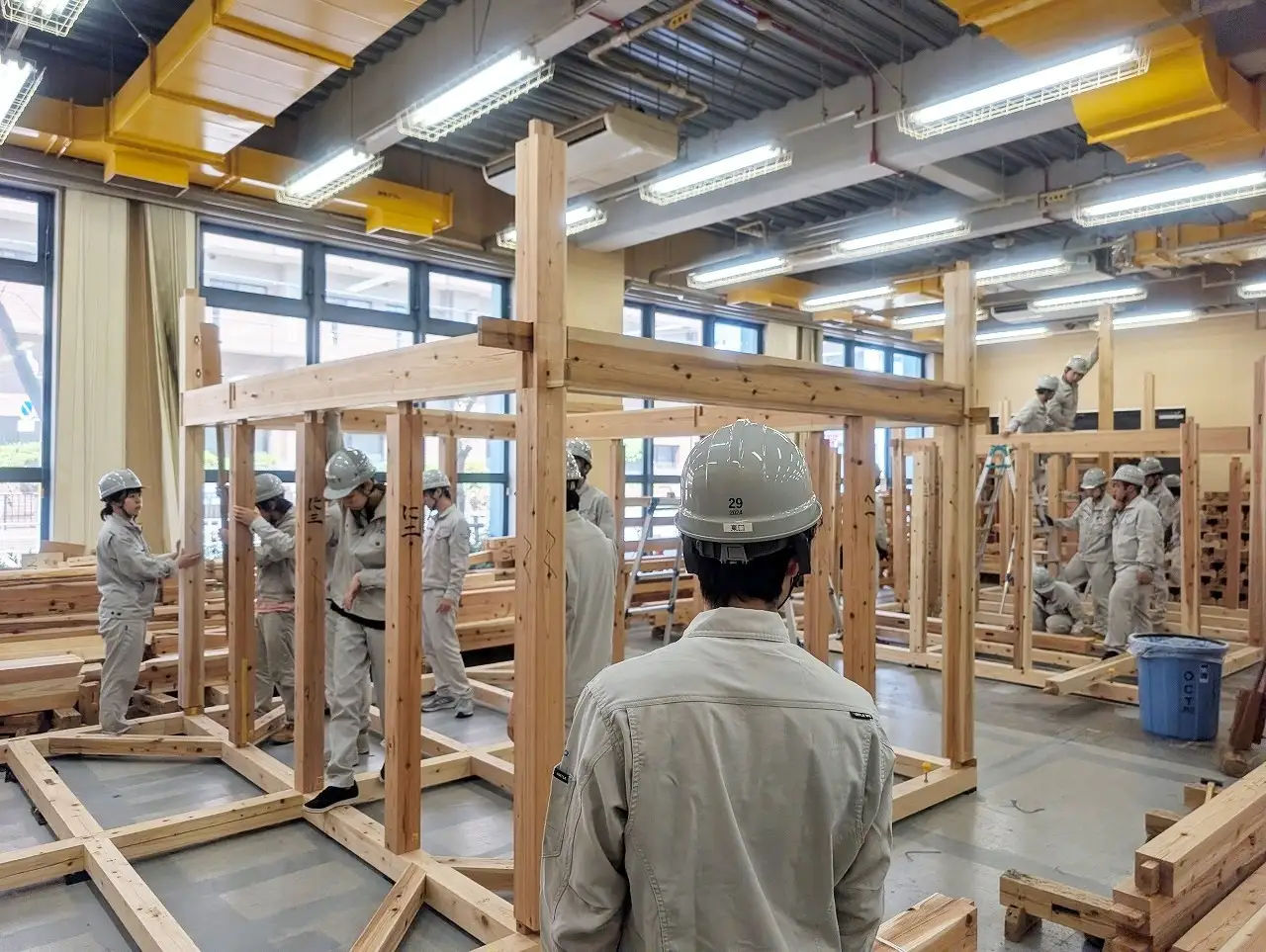
[2026 Trends in Human Resources for Forests, Forestry, and the Wood Products Industry] The Forestry Agency to Strengthen Comprehensive Support; New Stakeholders Include Foreign Workers, Entrepreneurs, and Architecture Students
To ensure the sustainable development of forests, forestry, and the timber industry, efforts to secure and train a stable workforce of on-site practitioners and technical specialists are gaining momentum […]

10.5Mon 2026
Fully Utilizing Forest Resources for Local Industry — A Business Model Based on an Annual Target of 100,000 Cubic Meters and a Feasibility Study Methodology for Visualizing Supply and Demand
Japan’s forests are currently at a major turning point. The decline in the number of people working in the forestry and lumber industries, the stagnation of forest management, and population decline in mountainous and rural areas, along with […]
10.2Fri 2026
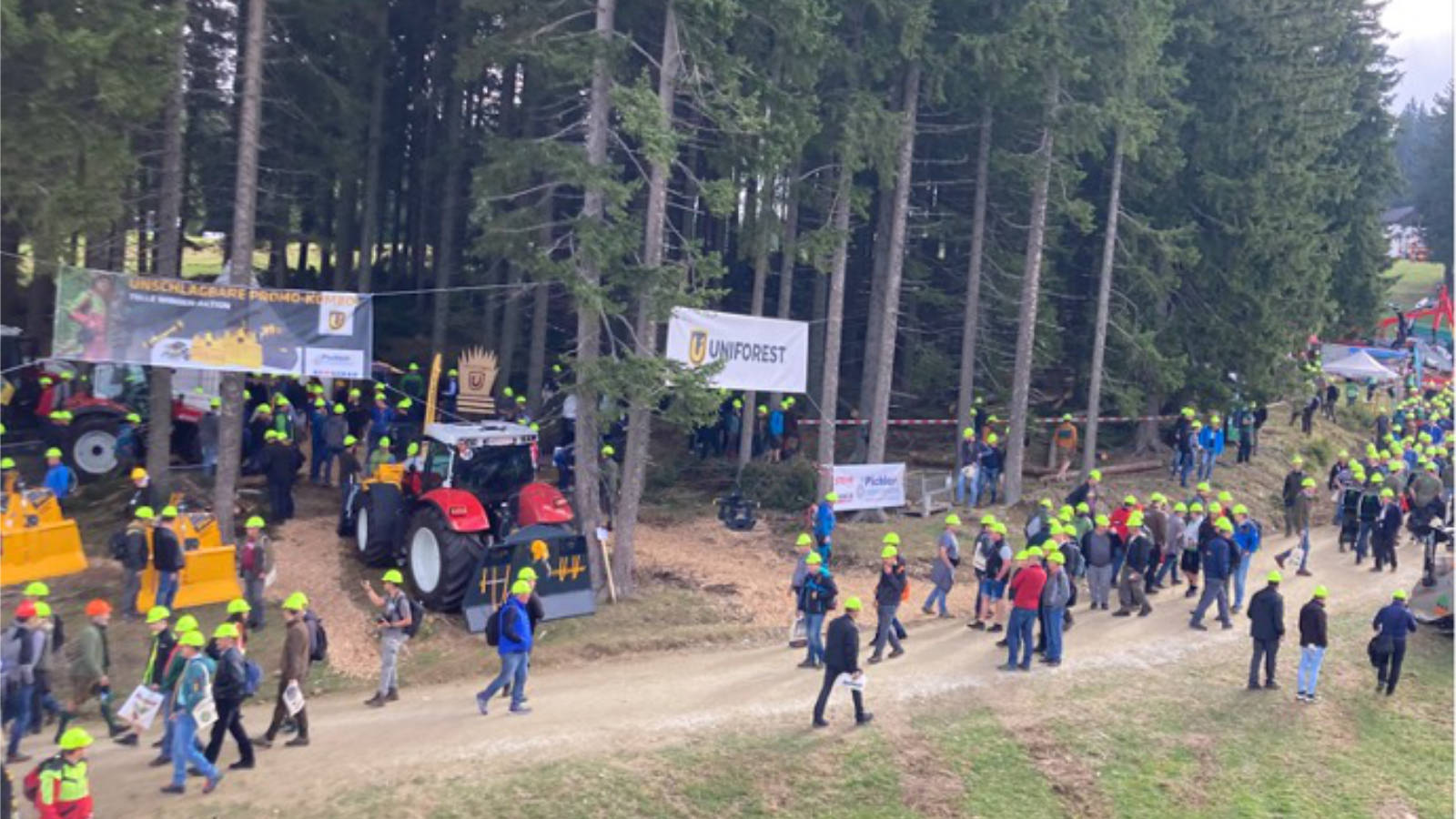
Planning the 2027 Austria Forestry Study Tour—Seeing is believing: Learn about advanced forestry at AustroFoma and local training centers
With the AustroFoma (Forestry Machinery Exhibition) to be held in Austria in September 2027 as the main target […]

Newsletter Registration] Connecting policy, industry, technology, and culture, we deliver ideas for a recycling-oriented society every week.
The Newsletter (free registration) provides a weekly selection of expert knowledge and the latest case studies from our website. We provide a wide range of decision-making support to those at the forefront of institutional design, business evaluation, research theme identification, and funding.

9.30Wed 2026
Case Studies on Soil Application of Biomass-Derived Materials (1): Can Pelletization and Drone Technology Reduce the Labor Required for Application in Afforestation Sites?
In the previous installments, we discussed how to prevent the loss of soil functions in biomass afforestation sites or restore those functions that have been lost, by using biomass […]

9.29Tuesday, 2026
“90% Do as You Please, 10% Cooperate”—A Blueprint for Japan’s Revival Based on an Autonomous, Decentralized, and Collaborative System
Now that the Earth’s finite resources have become apparent and the conventional economic system has reached its limits, where should we go from here? I believe the answer lies […]

9.28Mon 2026
The Value of Disposable Chopsticks Goes Beyond Being "Disposable"—A Look at Their Evolving Role Through the Lens of Hospitality Culture and Waste Material Utilization
More than 90 percent of the disposable chopsticks used in Japan are now imported from overseas. However, disposable chopsticks are closely linked to forests, and […]

9.25Fri 2026
[#: A Day in the Life of a Woman in Forestry] Sharing stories about work and life from the mountains in fall, with its extreme temperature swings
In the fall, while the harsh summer heat subsides at forestry work sites, easing the physical and mental strain, there is a significant temperature difference between morning/evening and daytime, so it’s important to pay attention to clothing and managing your physical condition […]
9.24Thu 2026
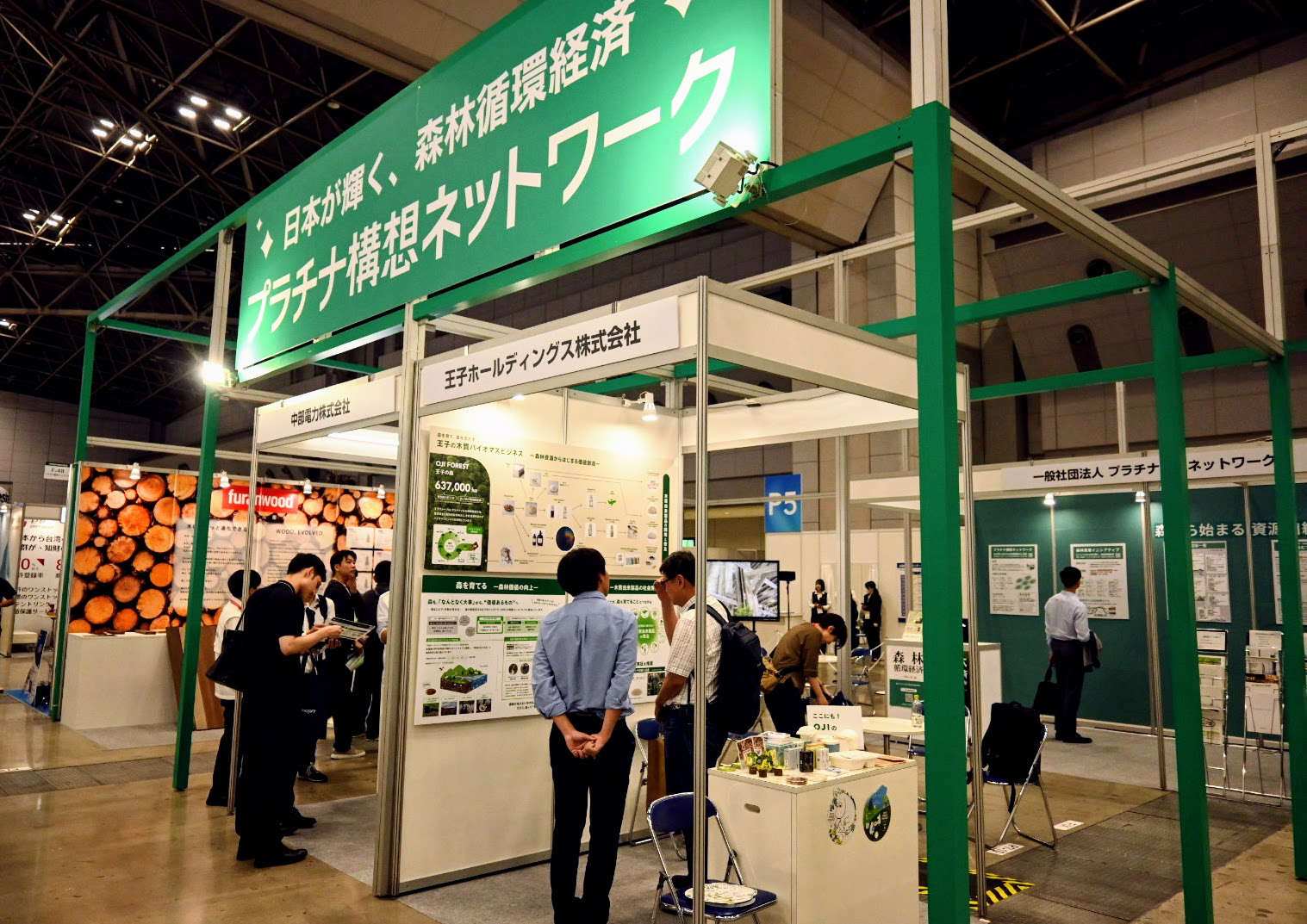
Will Wooden Cities and Forest-Derived Fuels and Chemical Products Transform the Forestry Industry?—The Conditions for a “Forest Circular Economy” That Transforms New Demand into Forestry Revenue [FORESTRISE 2026 Report]
How can we link the demand for wooden buildings and fuels and chemical products derived from woody biomass to increased profits in the forestry industry and the sustainable use of forest resources? […]

9.16Wed 2026
Forest Women’s Action Conference—Women Shaping Forests and Communities
Rebuild Your Life in Harmony with Nature Through Relocation, Career Changes, or Starting a Business
Friday, October 16, 2026, 12:30 p.m.–2:00 p.m. | Online
"Forest Circular Economy" sheds light on the ongoing efforts—including the doubts and struggles—of women exploring new ways of life in forests and local communities […]

9.15Tuesday, 2026
[Forest and Disaster Prevention Trends 2026] Watershed Management Accelerates Nationwide; Measures to Prepare for Heavy Rainfall, Driftwood, and Forest Fires Become More Diverse
In recent years, due to the effects of torrential rains and extreme weather, the risk of landslides and debris flows originating in mountainous areas and forests, as well as damage from floating debris and large-scale forest fires, has increased significantly […]

9.9Wed 2026
[Trends in Hardwood Utilization 2026] Expanding the “Hida Model”—which turns small-diameter and short-length lumber into furniture—nationwide; Initiatives are diversifying to include supply chain restructuring and forest regeneration
Rather than simply “using” or “planting” domestic hardwoods, the goal is to build a circular system that encompasses processing, commercialization, procurement, reinvestment, and forest regeneration […]
9.8Tuesday, 2026
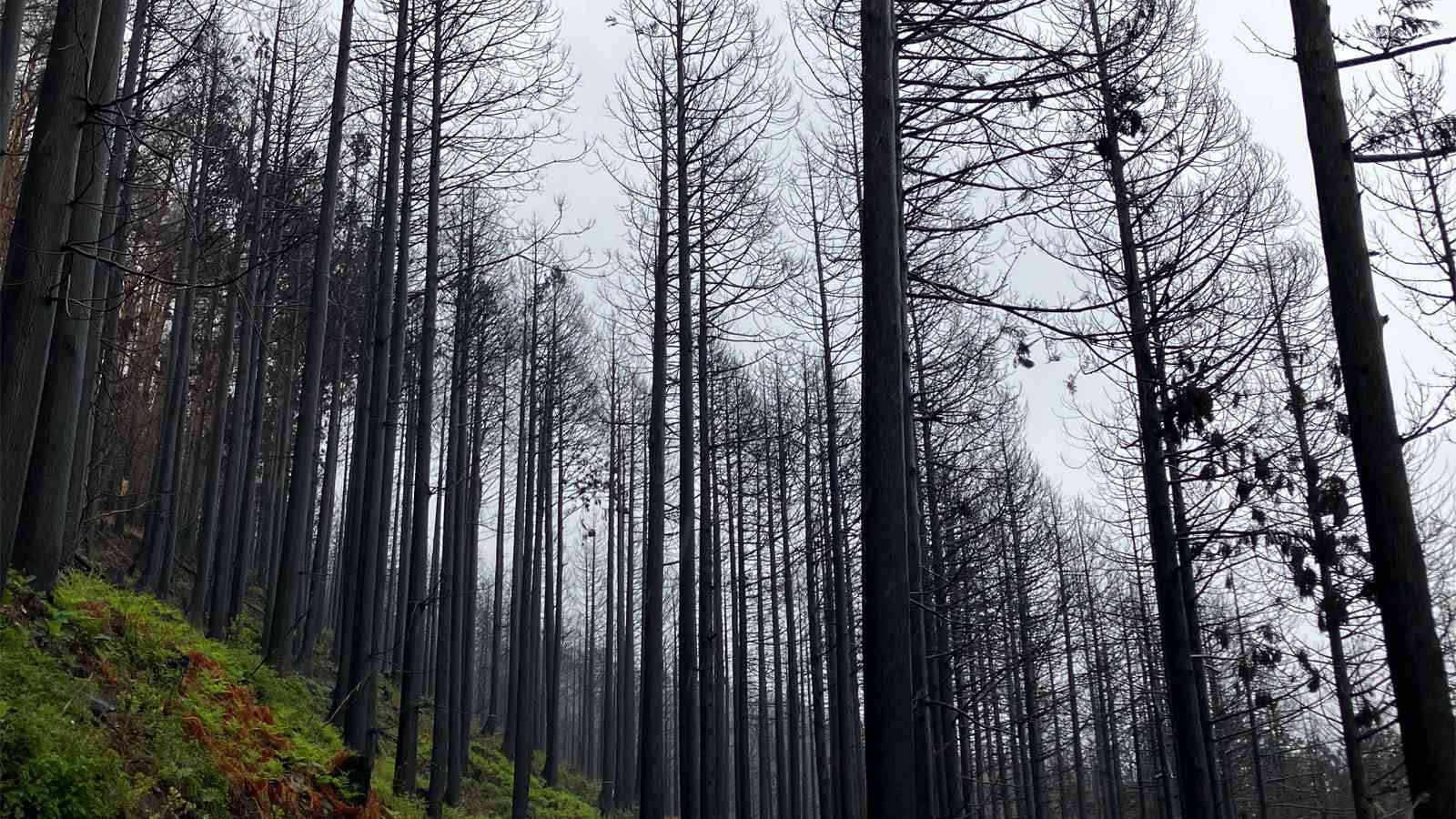
How to Prepare for the Increasingly Severe Forest Fires Both Domestically and Abroad: Implementing “Fire-Resilient Forests” Through Economic Mechanisms Such as Insurance
Large-scale forest fires have been occurring one after another around the world. In Japan as well, a large-scale forest fire broke out on the Pacific coast of Iwate Prefecture in 2025 […]
9.4Fri 2026
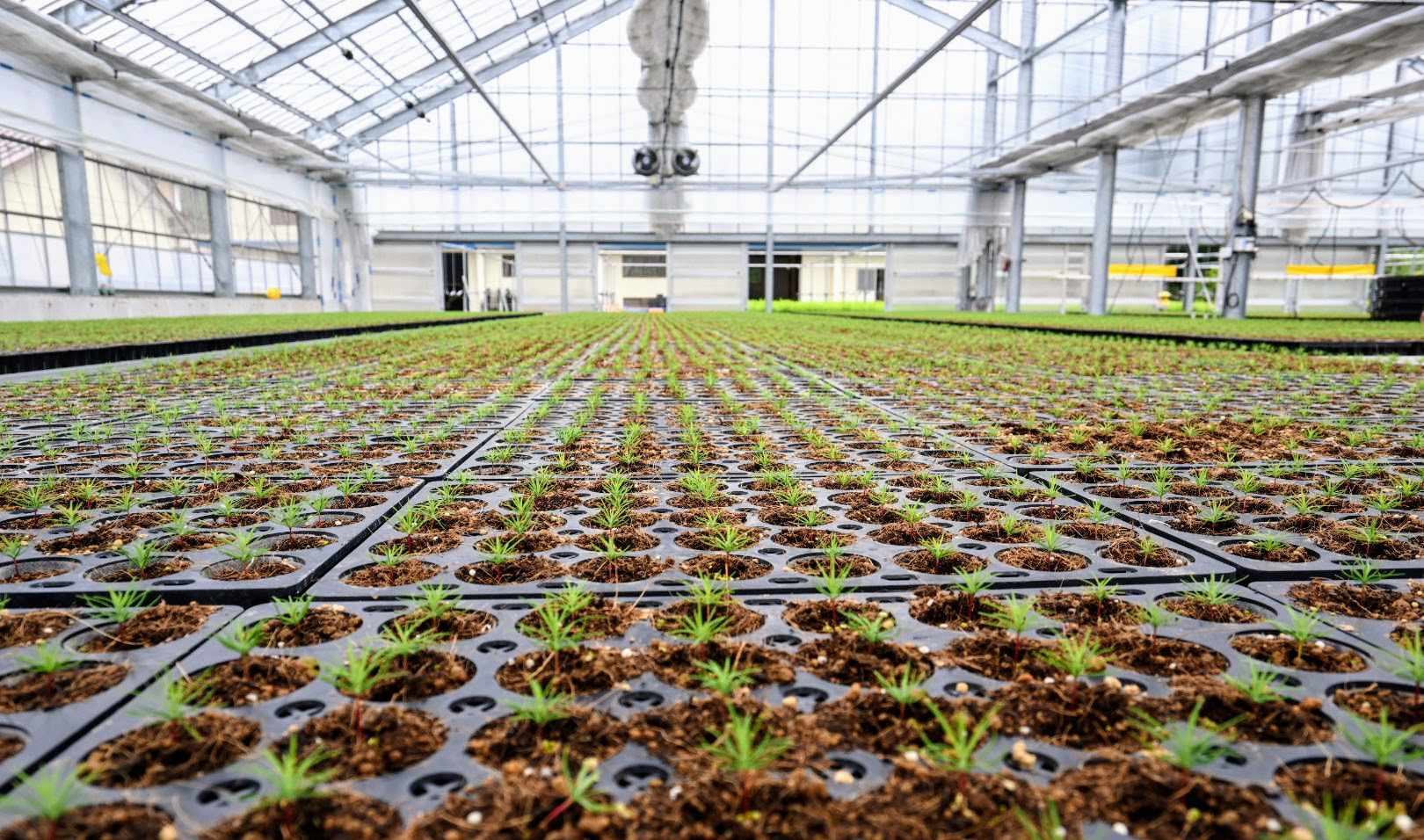
Establishing “One-Year Larch Seedling Cultivation”—the Key to Reforestation: Wood Company Nichinan’s “Second Founding” [Nichinan Town: On the Front Lines of Forest Circular Economy, Part 3]
*Click here for the previous article: How Did the Lumber Mill, Funded by 470 Residents, Turn a Profit? Orochi LVL Mill: 20 Steps Toward Management Reform […]
9.2Wed 2026
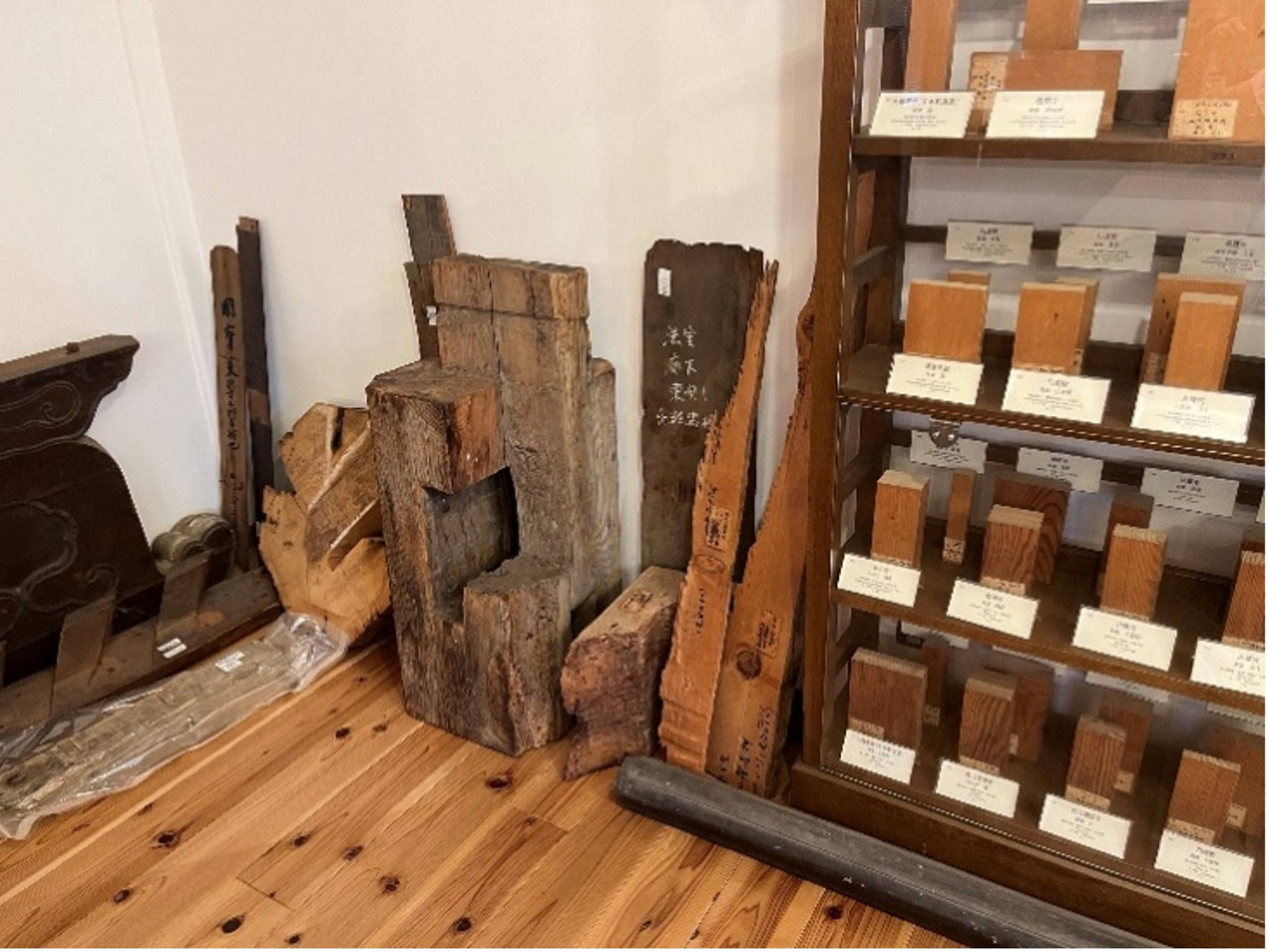
The History of Humans and Trees, as Revealed by 20,000 Wood Specimens: The History and Future of Kyoto University’s Wood Identification Laboratory
The Kyoto University Uji Campus is located in Uji City, Kyoto Prefecture. Few people are aware of the history linking this area to wood research in Japan […]
8.31Mon 2026
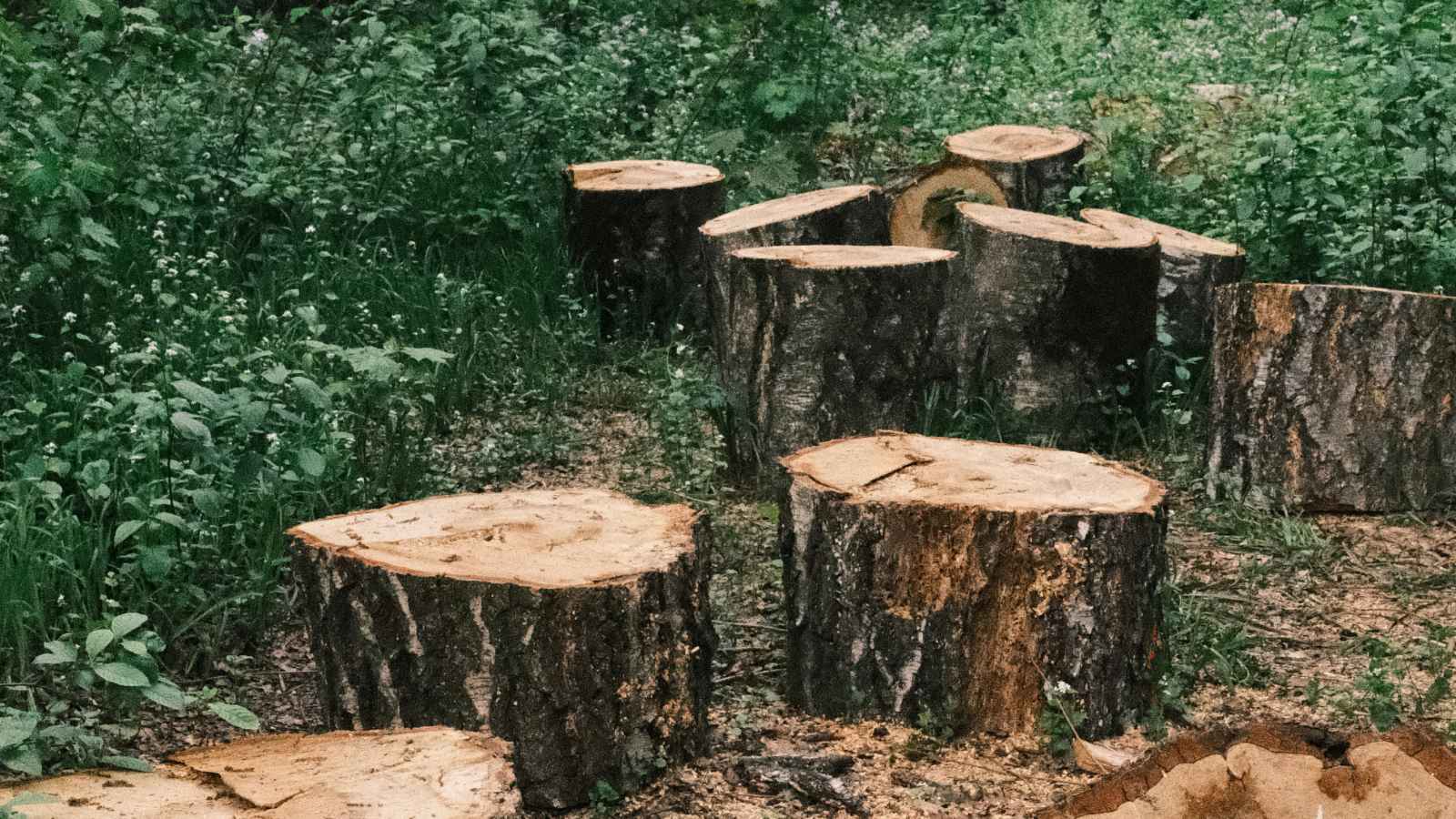
[A Shinto Priest’s Perspective] Are Forests Better Protected When They Are “Left Uncut”? — Reflections on How to Pass on Our Forests to Future Generations 100 Years from Now, Based on the New Basic Plan for Forests and Forestry
When we hear the phrase “protecting the forest,” what comes to mind? Planting trees. Stopping logging. Leaving nature untouched […]