Updated by the Forest Circular Economy Editorial Department on December 4, 2025, 11:19 PM JST
Editorial Board, Forest Circular Economy
Forestcircularity-editor
We aim to realize "Vision 2050: Japan Shines, Forest Circular Economy" promoted by the Platinum Forest Industry Initiative. We will disseminate ideas and initiatives to promote biomass chemistry, realize woody and lumbery communities, and encourage innovation in the forestry industry in order to fully utilize forest resources to decarbonize the economy, strengthen economic security, and create local communities.
Oisix Ra Daichi, operator of the food subscription service "Oisix," has collaborated with the "Japan Botanical Research Institute"—a brand researching and developing edible plants dormant in Japan's satoyama landscapes—to jointly develop an original product: "Sawara Mackerel Marinated in Oil with Fragrant Margao." This marks the first initiative in a co-creation project bringing Japan's forest resources to the dinner table. This initiative aims to nurture the bounty of the "delicious forest" and tackle the challenge of Japan's declining forestry industry through the lens of food.
Margao is a spice made from the fruit of the deciduous tall tree Aomojii (Cinnamomum camphora), characterized by a refreshing aroma reminiscent of a blend of Japanese pepper and lemongrass. By developing original products utilizing Aomojii, previously treated as common wood, we aim to create new value from underutilized resources while also providing a new income source and creating employment opportunities for forestry workers.
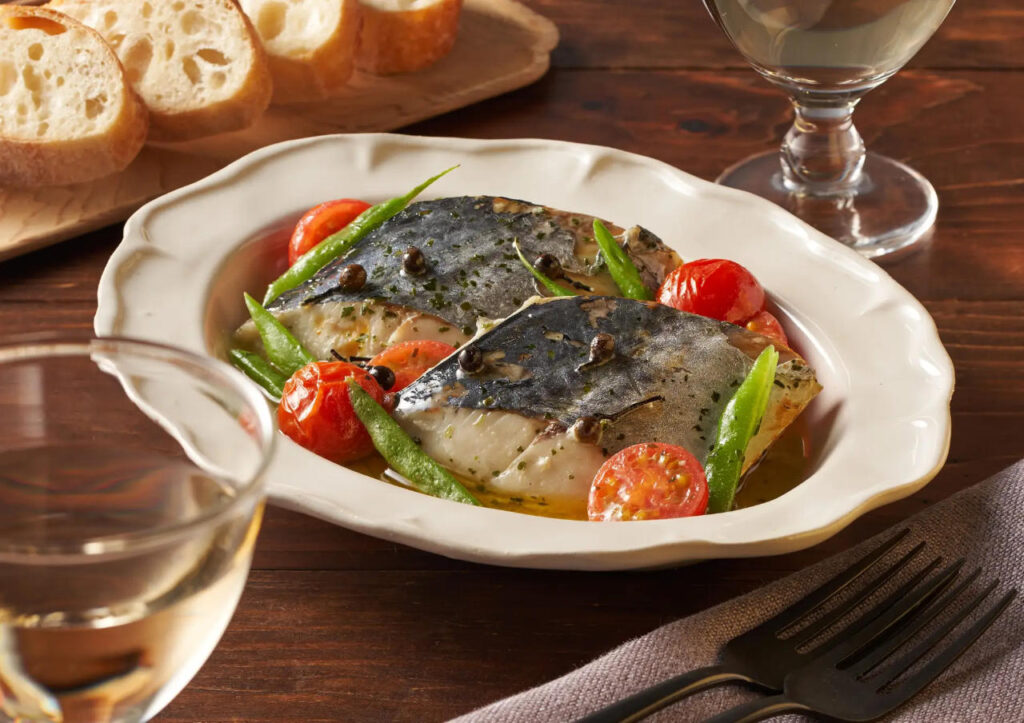
Despite their vastness, Japan's forests currently have limited economic value confined to timber and mushrooms, with their diverse vegetation underutilized. Native to warm regions across Japan, the Japanese privet (Aomoj) has historically been regarded as "scrub" growing among cedar and cypress trees, considered worthless even when harvested. The Japan Institute of Botanical Research has demonstrated the value of Margao as a spice. Oisix Ra Daichi has embarked on joint product development as part of its sustainable retail initiatives.
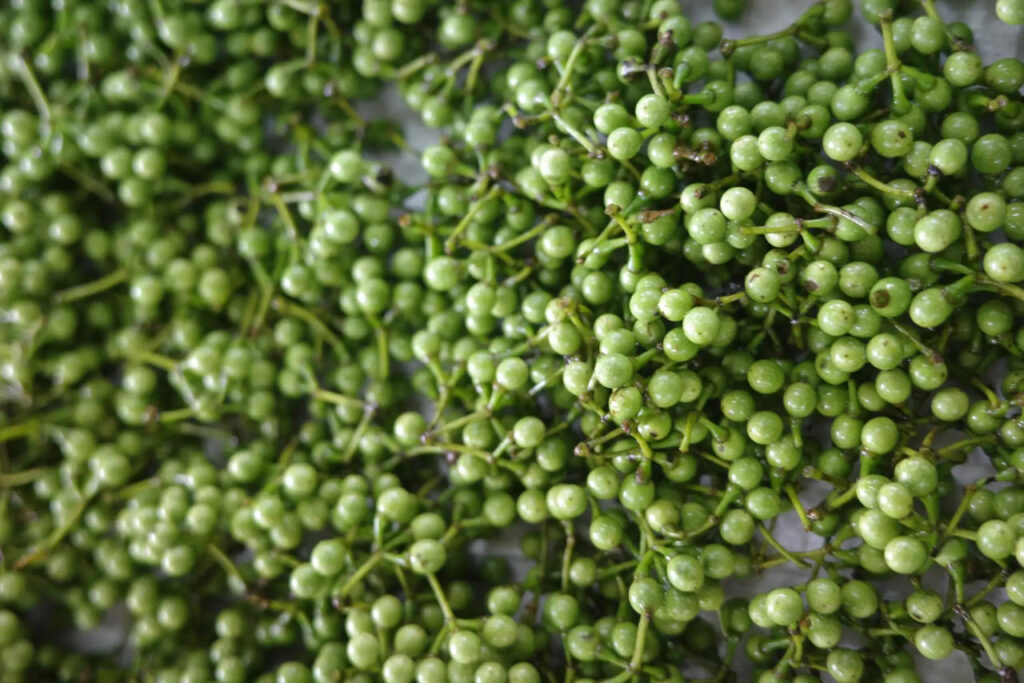
The increased use of domestically produced margao wood has the potential to preserve forest biodiversity while also contributing to regional revitalization and the creation of new businesses. This venture into the new field of "food × forestry" represents an attempt to bring fresh economic hope to declining regional forests.
Reference Links
【Food × Forest】Oisix and Japan Botanical Research Institute Launch First Collaboration Developing Original Products with Domestic Spices Initiating Efforts to Bring Sustainable "Delicious Forest" Blessings to Everyday Tables First Release: "Oil-Marinated Spanish Mackerel with Margao Fragrance" Now Available (Starting 12/4) | Oisix ra la-daichi - Organic and Specially Cultivated Vegetables, Food Delivery Service Prioritizing Safety
Oisix Collaboration Commemoration: The Future of Food and Forests Unveiled by Domestic Spice "Raw Margao".