Rediscovering the feeling of "touching wood on the body" - The benefits of Japanese lifestyle and culture and its circulation in modern society
Updated by Tomoko Ogura on December 24, 2025, 9:54 AM JST
Tomoko OGURA
Total Food Corporation / Japan Chopstick Culture Association
(Representative Director of Total Food, Inc., comprehensive food consultant / Outside director of two companies listed on the Tokyo Stock Exchange / Concurrent lecturer at Asia University, Toyo University, and Tokyo Seitoku University / President of Shoku Kijuku / President of Japan Chopstick Culture Association, etc. / After working for Toyota Motor Corporation's Public Relations Department, he became director of international conferences and studied abroad before assuming his current position. After working for Toyota Motor Corporation's Public Relations Department, he worked as a director of an international conference and studied abroad before assuming his current position. With "food and mind" as his main focus, he is well versed in all areas of food, from trends (analysis and development) to food culture, manners, nutrition, health management, food environment and mental health, and has a wide range of specialties. He has written academic papers on "chopstick culture and rituals," "Japanese chopsticks and peculiarities," and "waribashi and the food service industry," and has authored and supervised numerous books on chopsticks. He is said to be the only researcher of Japanese chopstick culture in the world.Total Food official website Japan Chopstick Culture Association website
Since ancient times, Japan has built its living culture in close connection with wood, within an environment where forests cover approximately 70% of its land. For Japan, wood was not merely a resource but also the foundation of daily life, with its use permeating every aspect of living. Furthermore, I believe it also symbolized the Japanese spiritual culture.As I wrote last time,In modern society, wooden products are becoming less common, yet amidst this trend, new lifestyle goods are being created that reconnect people with wood.
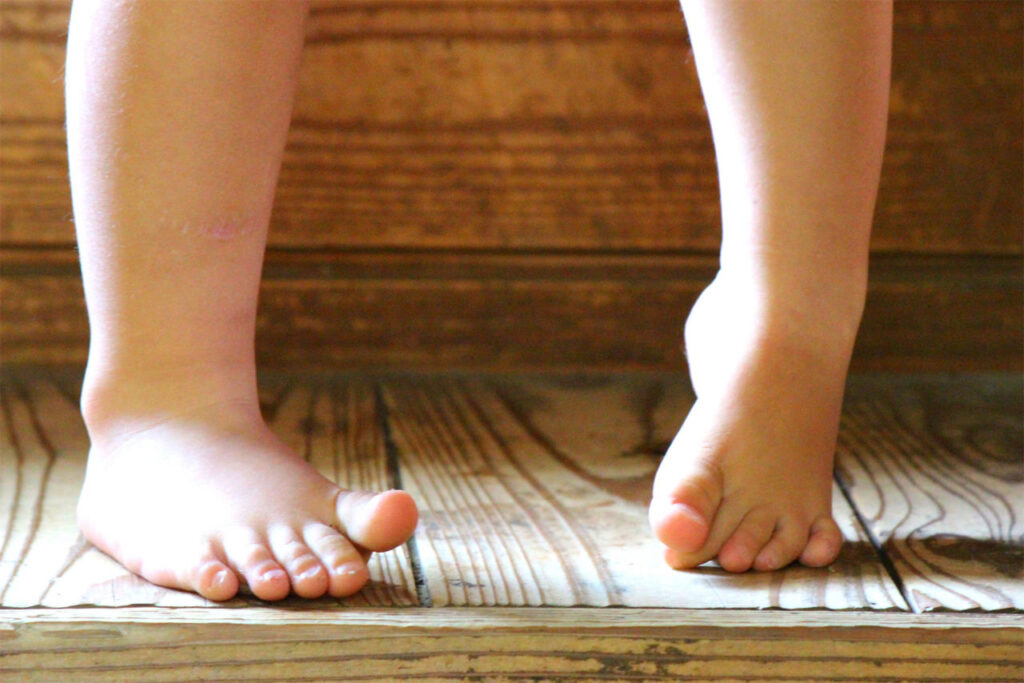
For many years, most Japanese houses were wooden structures, with wood used not only for pillars and beams but also for floors, fixtures, and furniture. Wood was also indispensable as fuel; people used firewood to start fires, cook, heat baths, and keep warm. Many household items were also wooden, especially tableware, which was almost entirely made of wood. It was simply a given that things touching the mouth were made of wood. Consequently, Japanese people constantly experienced moments in daily life where "wood touched their bodies," living surrounded by wood. One could even say they were protected by wood. The warmth and softness of wood likely brought a sense of comfort to their lives.
Not only that, but trees were also deeply connected to spiritual culture. In Japan, it has long been believed that "gods dwell within trees," and ancient, long-lived trees and forests have been revered as sacred places. Through customs such as making wishes upon sacred trees at shrines or touching a part of one's body to a tree while praying, people sought to absorb the tree's life force into themselves and also showed reverence for that vitality.
In modern society, the presence of wooden products is fading, and I feel that wooden items are now becoming something "special." Yet, this reality might make the soul, akin to the Japanese DNA, feel a sense of loneliness. While the calming effect wood provides is gaining attention worldwide, for the Japanese, it extends beyond scientific research to encompass spiritual culture.
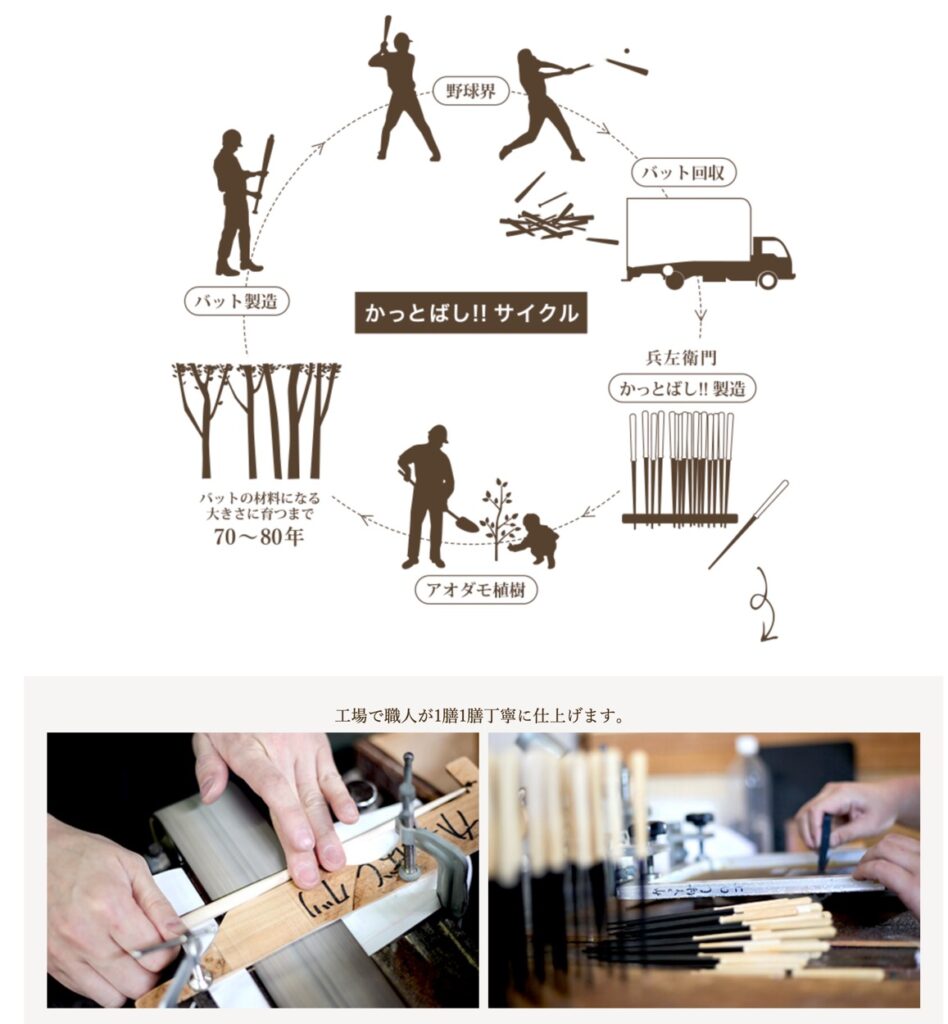
A contemporary approach to wood involves recycling and upcycling initiatives. For example, "Kattobashi" transforms broken professional baseball bats into chopsticks that closely resemble the original shape, creating a quality product that adds enjoyment to everyday utensils. Additionally, there are initiatives shaving wood thinly to create business cards and message cards. For the recipient, it offers a surprise, and the natural wood scent often sparks conversation.
Additionally, items like wooden folding fans and gift envelopes—typically made from paper or plastic—are being upcycled using wood. By transforming products not originally made of wood into wooden versions, this approach also serves to refocus attention on the often-overlooked appeal of wood. It not only reintroduces wood culture into modern life but also provides an opportunity to consider the cycle of forest resources.
In this era of advancing AI and digitalization, it is precisely why wooden products—made from the natural material wood—pose various challenges to us. They prompt us to consider the effects wood provides, its mental health benefits, and its compatibility with a circular society. (Tomoko Ogura, President of Total Food Co., Ltd. and Representative of the Japan Chopstick Culture Association)