Updated by the Forest Circular Economy Editorial Department on December 6, 2025, 8:35 PM JST
Editorial Board, Forest Circular Economy
Forestcircularity-editor
We aim to realize "Vision 2050: Japan Shines, Forest Circular Economy" promoted by the Platinum Forest Industry Initiative. We will disseminate ideas and initiatives to promote biomass chemistry, realize woody and lumbery communities, and encourage innovation in the forestry industry in order to fully utilize forest resources to decarbonize the economy, strengthen economic security, and create local communities.
Neba Village and the Neba Village Forestry Cooperative launched the "Neba Scale" natural drying comparison test in November to utilize the village's abundant large-diameter timber. The project will conduct comparative verification of natural drying at three locations—mountain, village, and sea—within the Yahagi River basin, aiming to establish a sustainable drying model independent of fossil fuels. This challenge, driven by basin-wide collaboration, seeks to simultaneously address soaring energy costs and enhance the value of local resources. The trial period is scheduled to last approximately one year, until November 2026.
Japan's forests are now entering a phase where the large-diameter timber—trees planted during postwar afforestation efforts that have matured and grown thicker than anticipated—is ready for full-scale utilization. However, these logs remain largely untapped in the forests. This is because their size makes them difficult to handle within modern timber distribution systems, and because drying them thoroughly to the core through artificial drying requires enormous energy and cost.
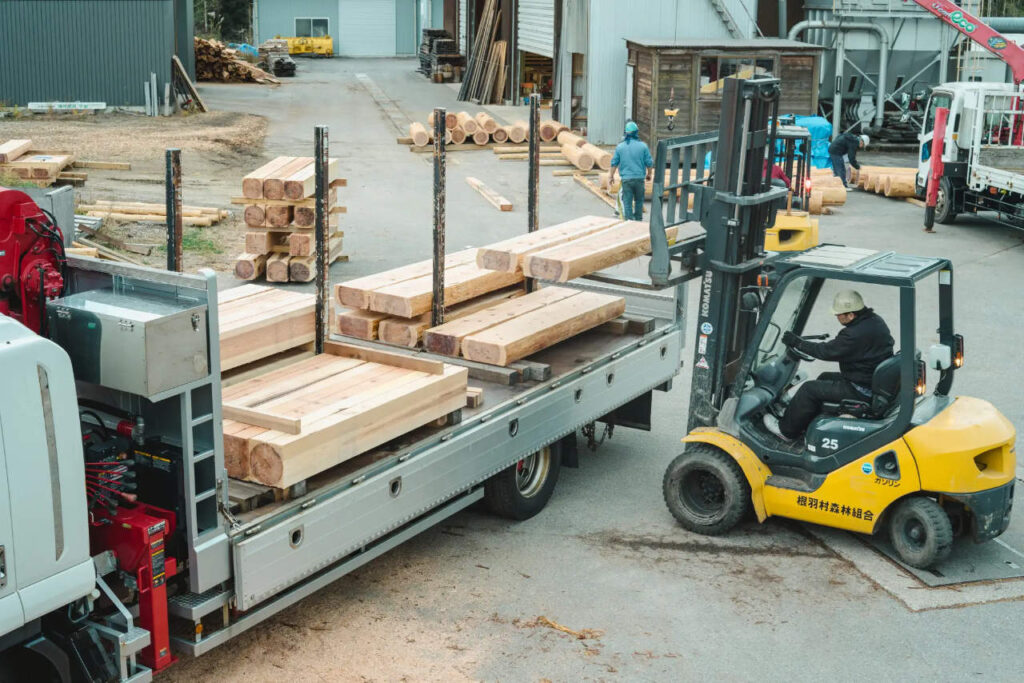
The "Neba Scale" project was launched to break through this situation, aiming to establish low-environmental-impact drying methods that do not rely solely on artificial drying. This experiment simultaneously verifies natural drying across three distinct environmental areas centered on the Yahagi River basin. Test specimens under identical conditions are installed in the mountainous village of Neba, the flatland city of Anjo, and the coastal city of Nishio. This allows for a comparison of how the distinct climates of mountain, countryside, and sea influence the wood drying process. The aim is also to explore adaptability to future climate change.
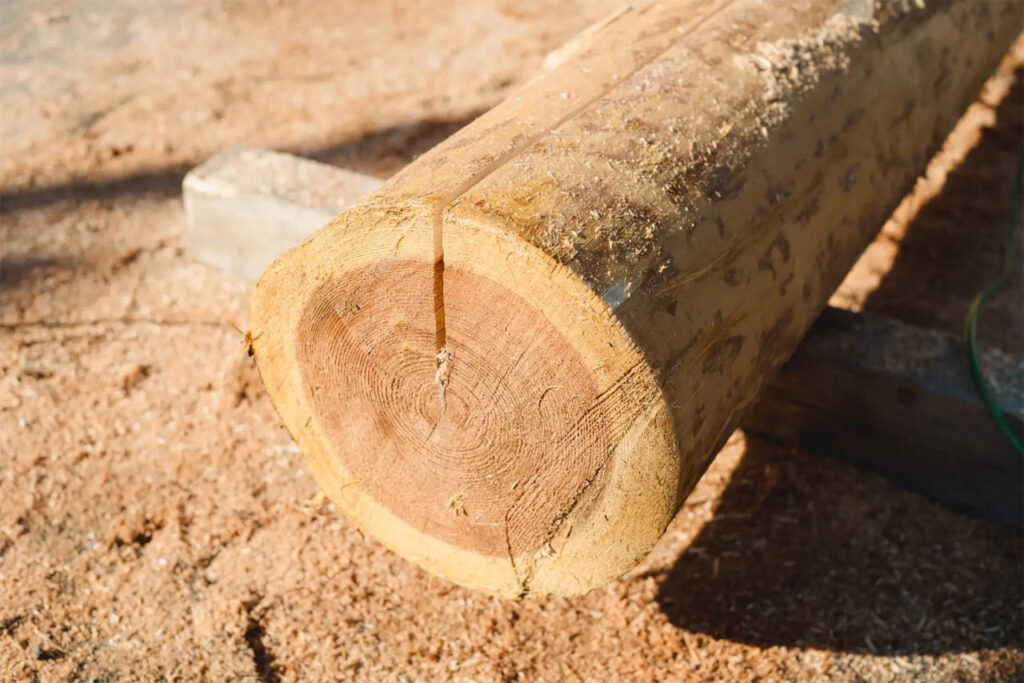
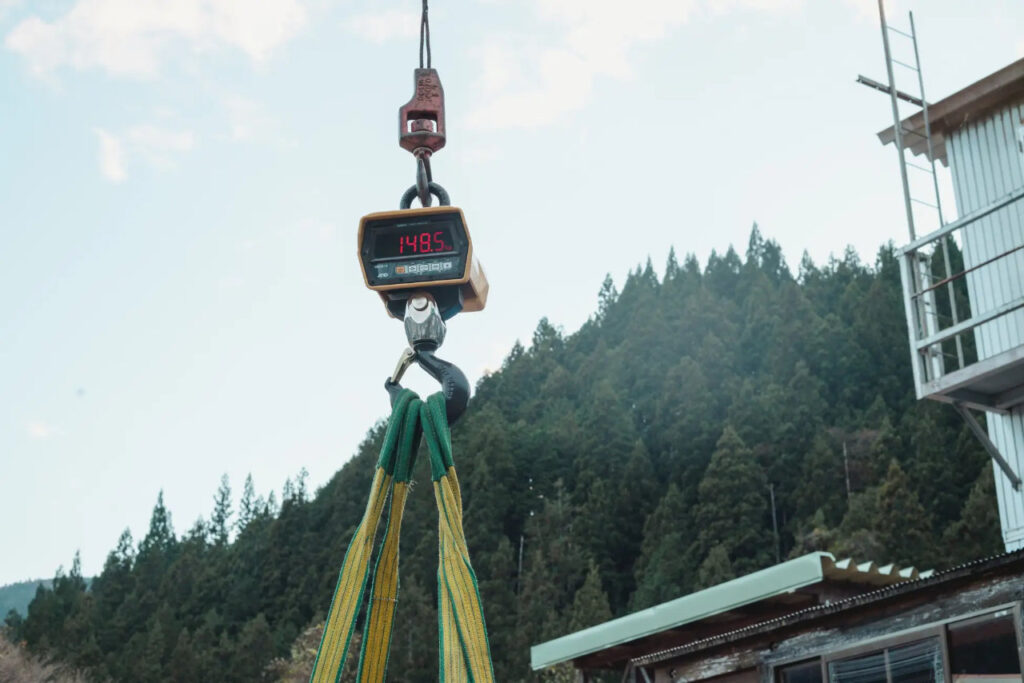
The experiment utilizes three types of lumber: square timber (260mm square), thick timber (160mm thick), and round logs (bark removed only). The focus is on whether moisture content can be reduced to levels suitable for construction use within existing facilities, without requiring new capital investment. Lowering the barrier to equipment investment and establishing an economical drying model could open the possibility of transforming large-diameter timber into high-value-added "regional resources."
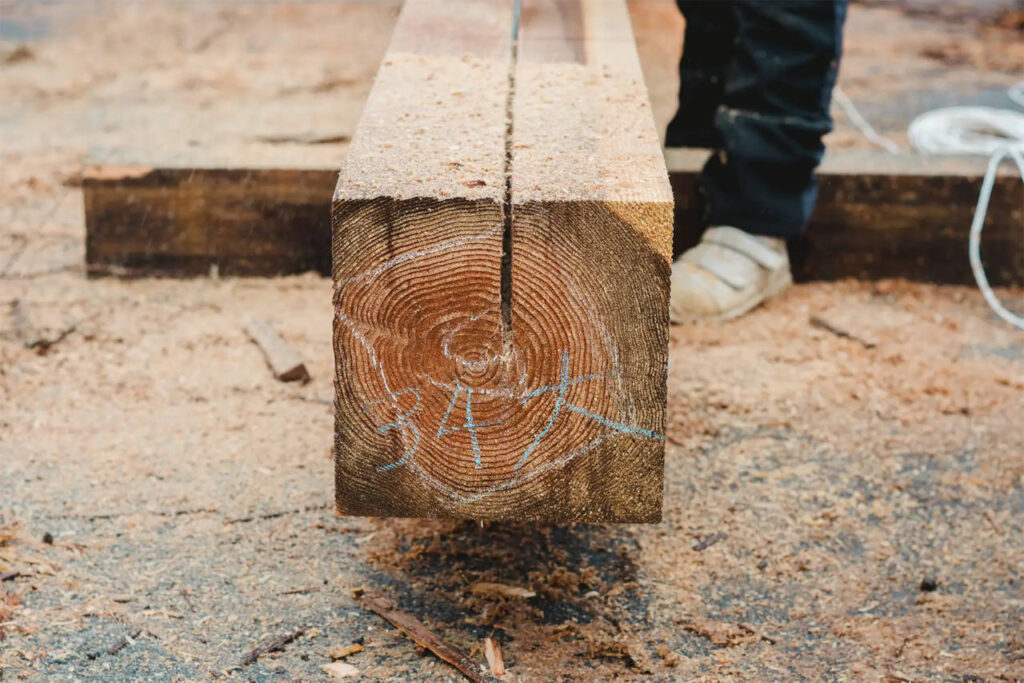
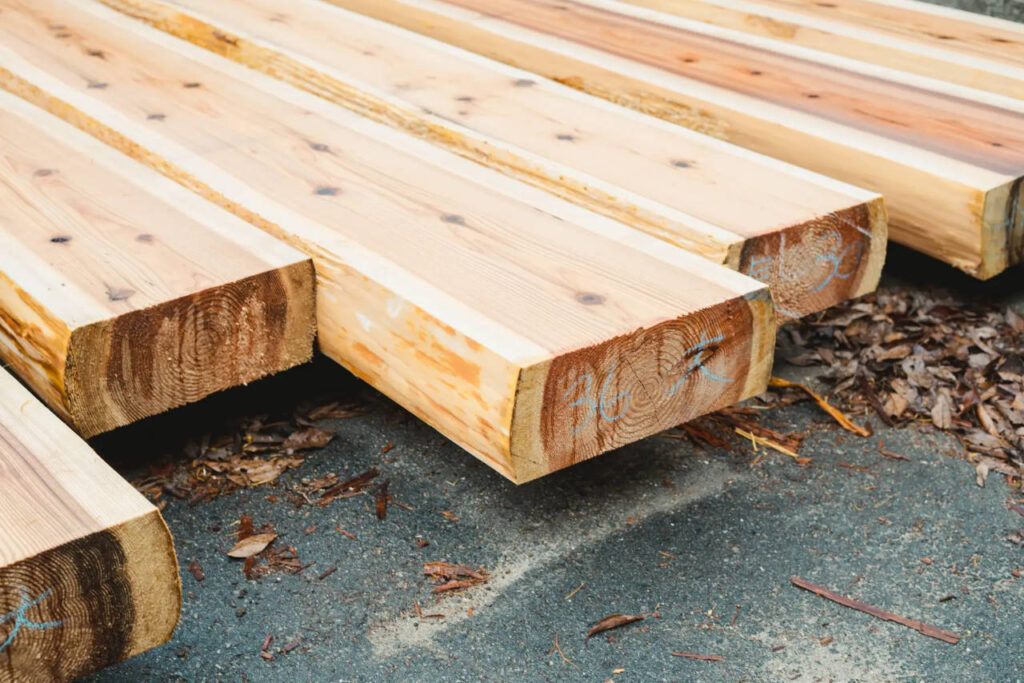
This initiative goes beyond mere technical verification to explore adaptation measures for climate change and new possibilities for wood utilization. It directly confronts the challenge of fossil fuel-free wood production and economic circulation across entire watersheds, marking a crucial step toward redefining the future of Japan's forestry and wood utilization.