The presence of trees, with which we interact for "play" and "healing." Let's re-examine the benefits they provide in our daily lives.
Updated by Tomoko Ogura on April 24, 2026, 9:48 AM JST
Tomoko OGURA
Total Food Corporation / Japan Chopstick Culture Association
(Representative Director of Total Food Co., Ltd. and General Food Consultant / Visiting Professor at Miyagi University / Outside Director of a Tokyo Stock Exchange-listed company / Concurrent Lecturer at Asia University, Toyo University, and Tokyo Seitoku University / President of Shoku Kijuku / Representative of Japan Chopstick Culture Association, etc. / After working at Toyota Motor Corporation's Public Relations Department, he became Director of International Conference and studied overseas before assuming his current position. After working for Toyota Motor Corporation's Public Relations Department, he worked as a director of an international conference and studied abroad before assuming his current position. With "food and mind" as his main focus, he is well versed in all areas of food, from trends (analysis and development) to food culture, manners, nutrition, health management, food environment and mental health, and has a wide range of specialties. He has written academic papers on "chopstick culture and rituals," "Japanese chopsticks and peculiarities," and "waribashi and the food service industry," and has authored and supervised numerous books on chopsticks. He is said to be the only researcher of Japanese chopstick culture in the world.Total Food official website Japan Chopstick Culture Association website
Until the Showa period (1926-1989), wooden chopsticks, chests of drawers, tables, and other necessary daily utensils were often made of wood, and I have written in the past about how Japanese people have always lived in contact with and protected by wood. I have written in the past about how Japanese people have always lived in contact with and protected by trees. However, we have also been in contact with trees in other ways, such as for “fun” and “healing.
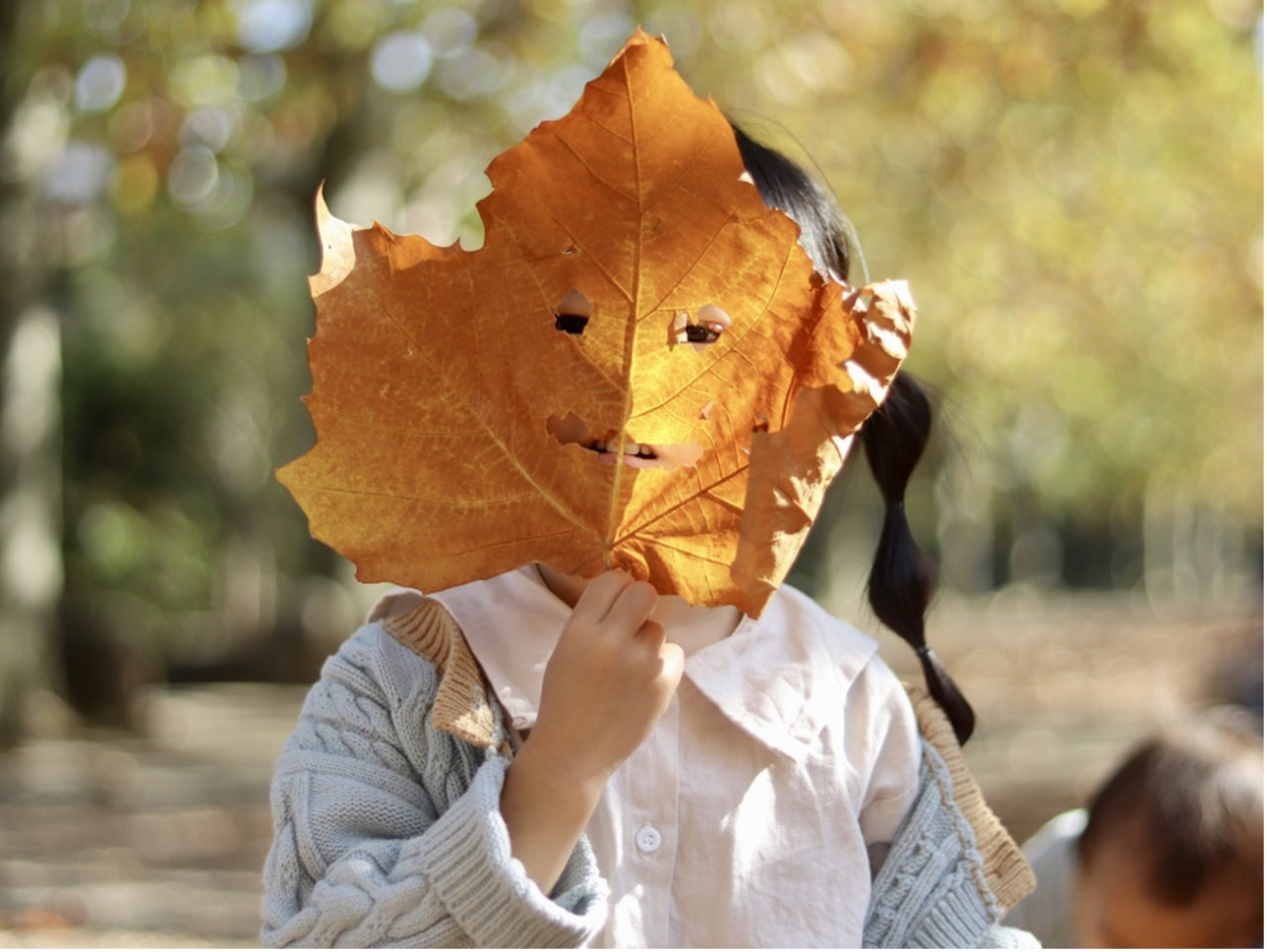
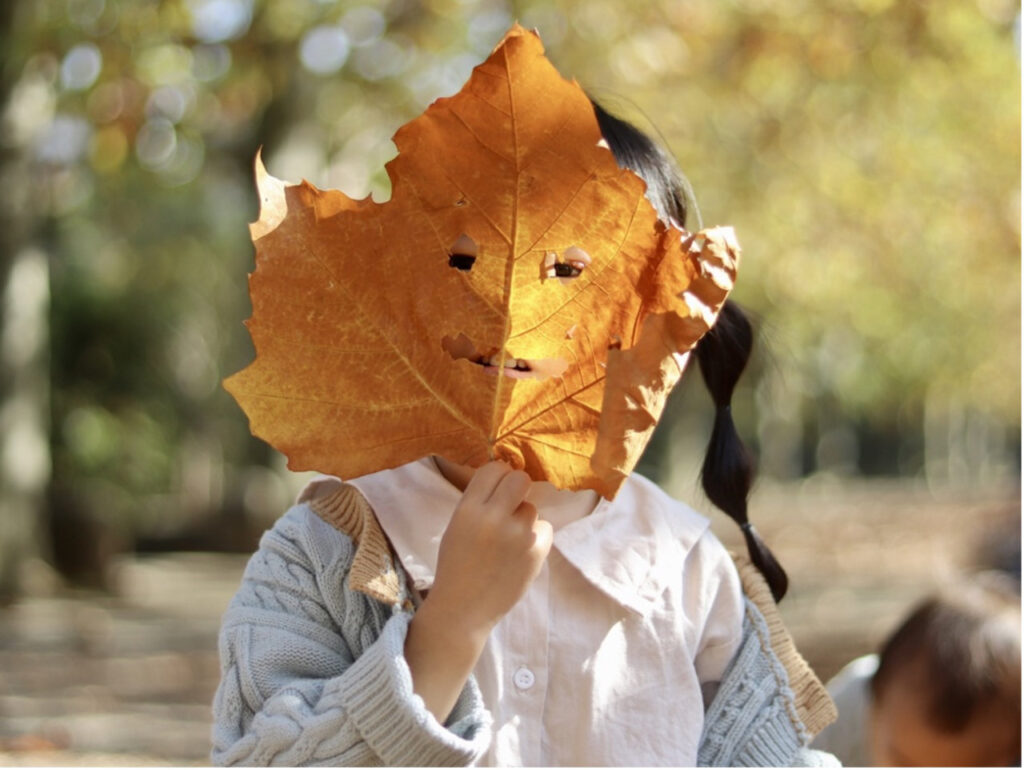
In the Showa era, we still played simple games. For example, I remember trying to make a windmill by piling up fallen leaves, or playing a game in my childhood where twigs were stacked in a box shape and the person who dropped the twig lost. We would pick up acorns and insert toothpicks to make a frame and spin the frame, or make dolls with acorns as their faces.
Bamboo became a variety of playthings. We shaved bamboo to make bamboo dragonflies and let them fly, or worked on bamboo leaves to make bamboo boats. Just by making a small cut on the inside of a bamboo leaf, you can make a bamboo flute, so I often made one and played with it. In my case, all of these games were things I learned from my grandparents. I learned them while taking a walk in the forest during a summer vacation to a villa in Tateshina. I remember that when I taught these games to my classmates back in Tokyo, they learned them without laughing and we enjoyed playing together. For example, when children wanted to write something in the sandbox at the park, they would use fallen branches to draw letters or pictures as a “normal” thing to do.
In kindergartens and elementary schools, art classes included art-making using fallen leaves and pine cones, so this was a time when educational institutions were also exposed to nature and made use of trees.
But times have changed rapidly, and indoor games have become the norm for children's play. Sandboxes have been removed from parks for fear of bacteria outbreaks. Children playing with fallen leaves and twigs are likely to hear their parents' voices telling them to stop touching them because they are dirty.
The next generation's perception of fragrance has also changed considerably. As the term "forest bathing" implies, feeling the "chi" or fragrance of trees is believed to have a healing and refreshing effect on the body and mind. According to data from the Forestry Agency and the Forestry and Forest Products Research Institute, what we call forest scents are volatile substances called "phytoncides" emitted by trees, and their main components are organic compounds called terpenes. Originally, trees emit phytoncide to protect themselves from external enemies such as pests and microorganisms and to prevent the spread of pathogens, but it is harmless to humans and has beneficial effects on our lives, such as refreshing, deodorizing, deodorizing, antibacterial, and insect control.
However, a company told us that some elementary school children, even if they are not allergic, are nauseated by the scent of natural cypress baths or sickened by the scent of forests. Although not a forest, there is a study that showed that over 80% of children who were asked which smelled more like real strawberries (i.e., delicious) when they smelled fresh strawberries and strawberry flavorings answered that the artificial flavorings were "real" and "delicious.
In the past, when Japan reupholstered its tatami mats, its fragrance soothed us, and the smell of new sprouts made us feel spring and renewed. We chopped wood, made a fire, cooked food and took a hot bath, and felt the gratitude of wood. In this day and age when trees are no longer part of our daily lives, have even our five senses changed?
It is a natural process for life and society to change as technological innovation progresses, so change is not limited to Japan. However, Japan is a country that has benefited considerably from trees compared to other countries, so I am concerned that the rapid changes in our lives in recent years may have some impact on our human capacity. I feel that many people are living with a sense of anxiety that they will be left behind if they do not hurry to move on to the next step. I believe that just touching the trees a little more will make us feel more softly. (Tomoko Ogura, President of Total Food and Representative of the Japan Chopstick Culture Association)
*Reference
Multifunctional Functions of Forests Health and Recreation Functions: Forestry Agency
Forest Fragrance Science" National Institute of Forestry and Forest Products Research Institute, Forestry and Forest Products Research Institute/ Forestry and Forest Products Research Institute Quarterly No.49