Updated by "Forest Circular Economy" Editorial Board on February 13, 2026, 7:51 PM JST
Editorial Board, Forest Circular Economy
Forestcircularity-editor
We aim to realize "Vision 2050: Japan Shines, Forest Circular Economy" promoted by the Platinum Forest Industry Initiative. We will disseminate ideas and initiatives to promote biomass chemistry, realize woody and lumbery communities, and encourage innovation in the forestry industry in order to fully utilize forest resources to decarbonize the economy, strengthen economic security, and create local communities.
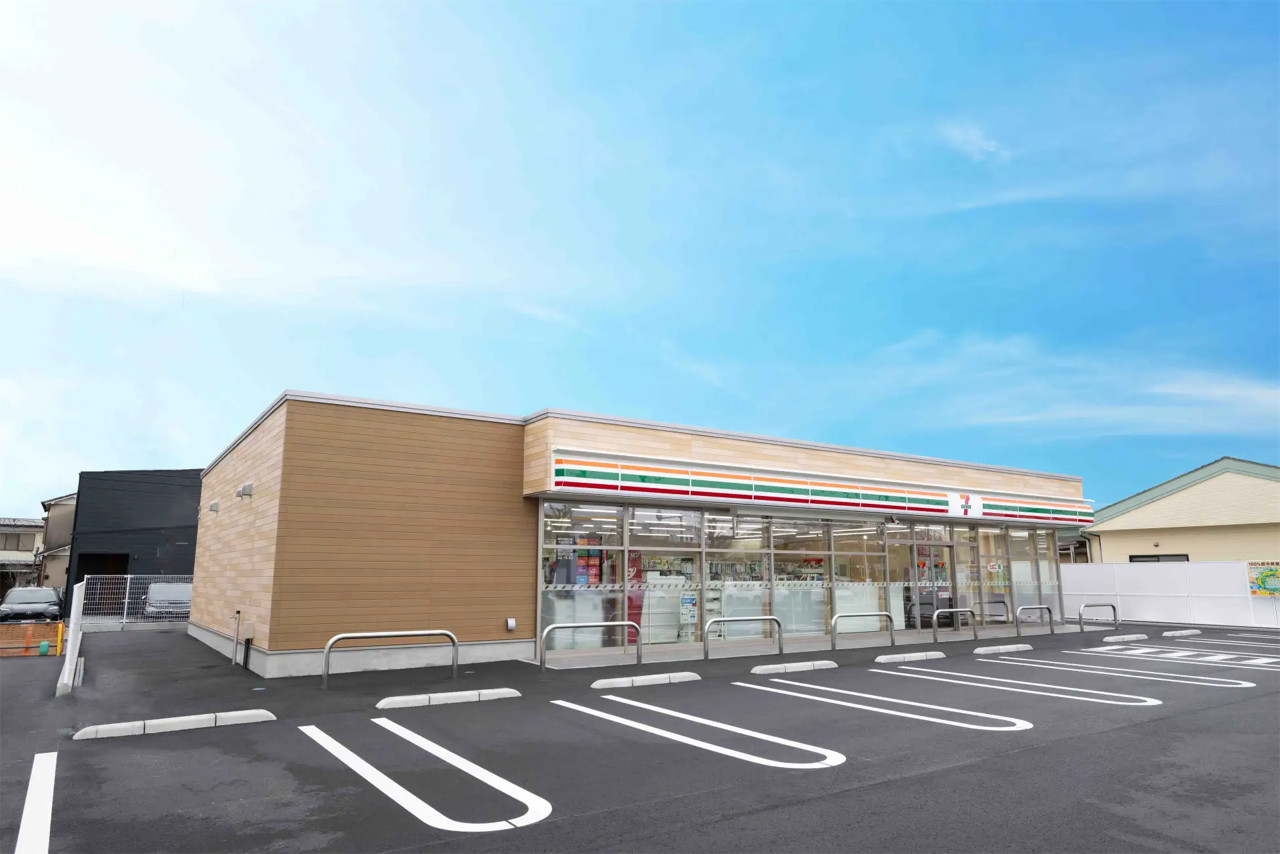
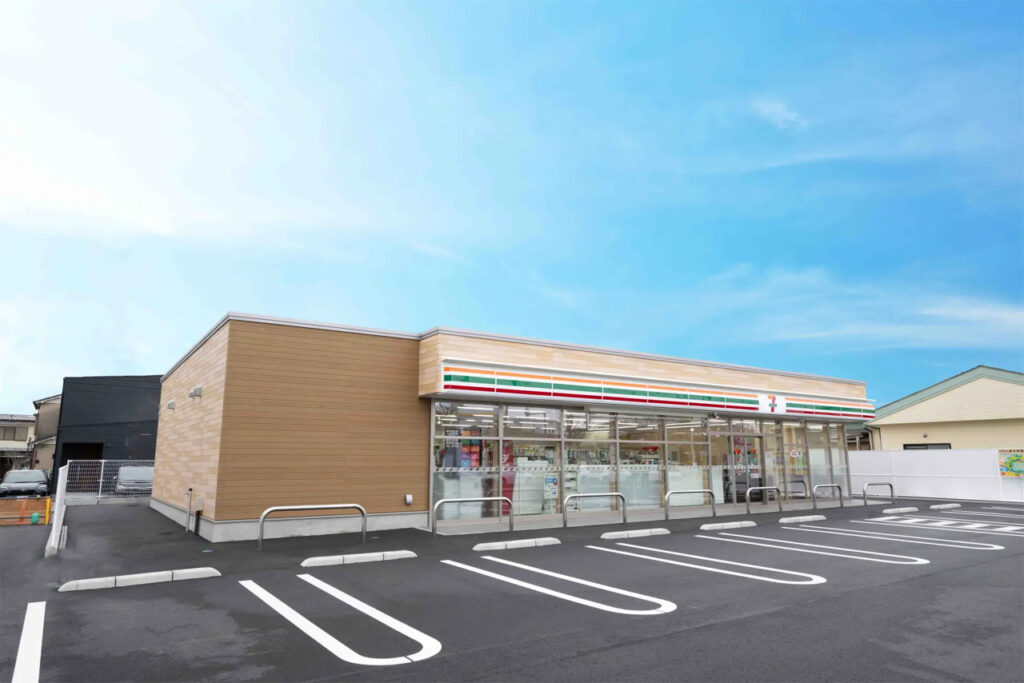
Seven-Eleven Japan opened the Seven-Eleven Utsunomiya Shinmachi 1-chome store in February, using 100% timber from Tochigi Prefecture for everything from the structural materials to the interior. The store is the first in the company's series of wood-framed standard stores. It is attracting attention as a new model case for both the decarbonization of convenience stores nationwide and the recycling of local resources.
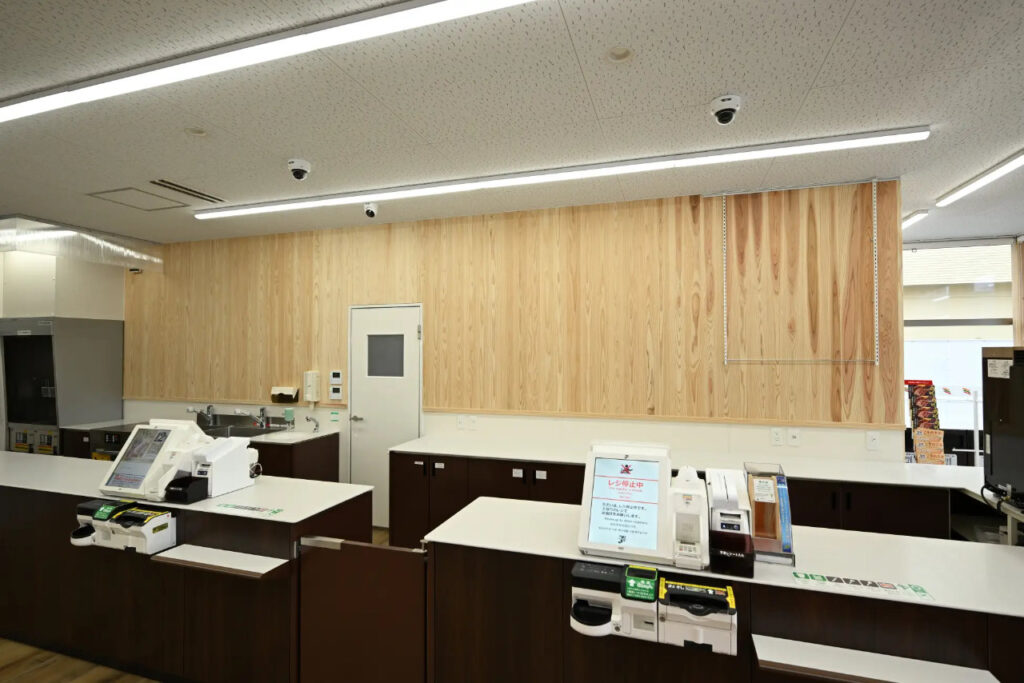
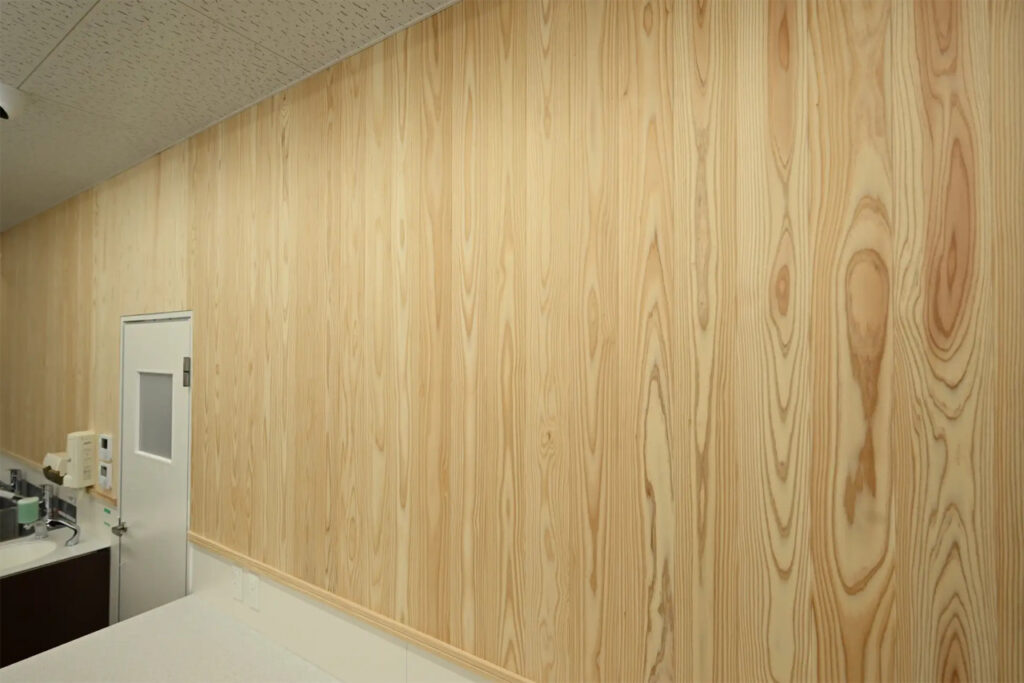
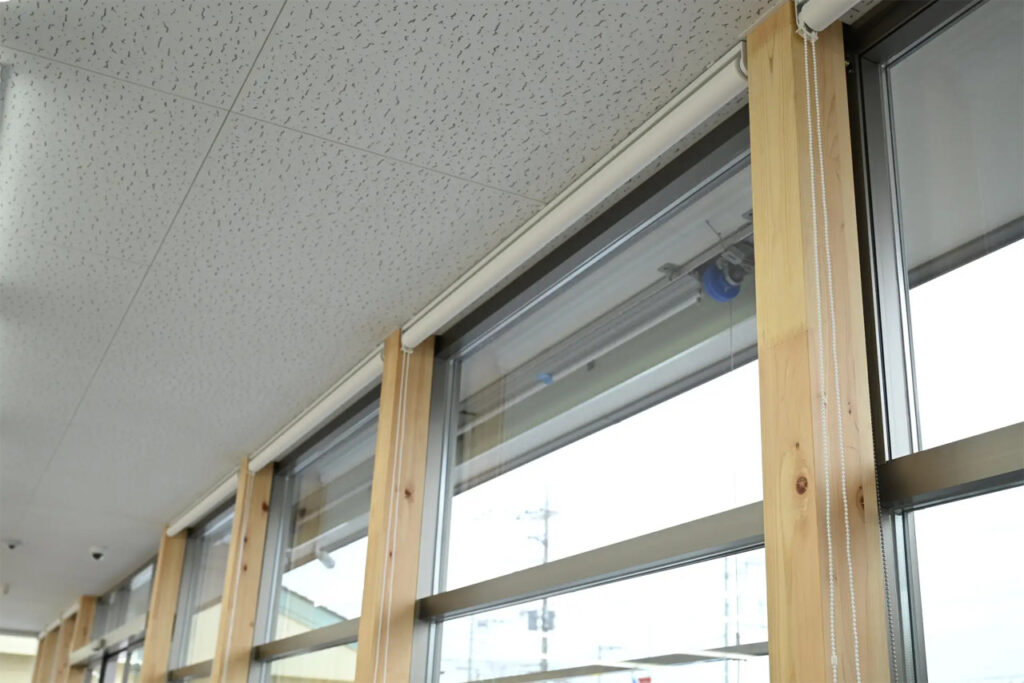
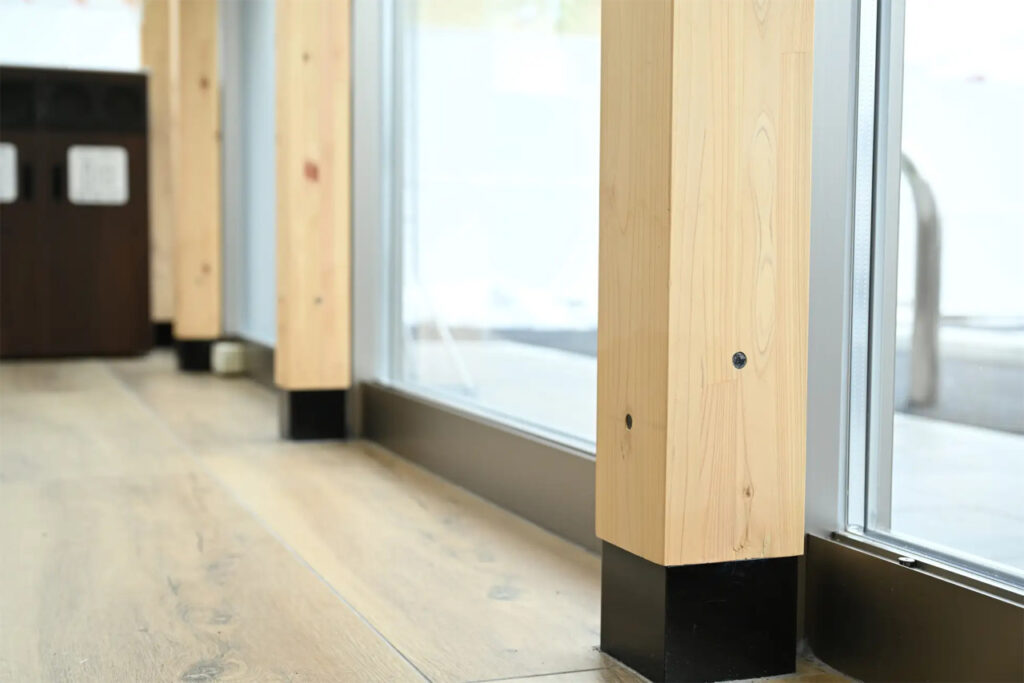
Utilizing the “Tochigi's Good Wood” Non-residential Building Wood Change Project in 2025, which is promoted by Tochigi Prefecture, the interior is also made of abundant cedar from the prefecture, creating a store space with the warmth characteristic of wood.
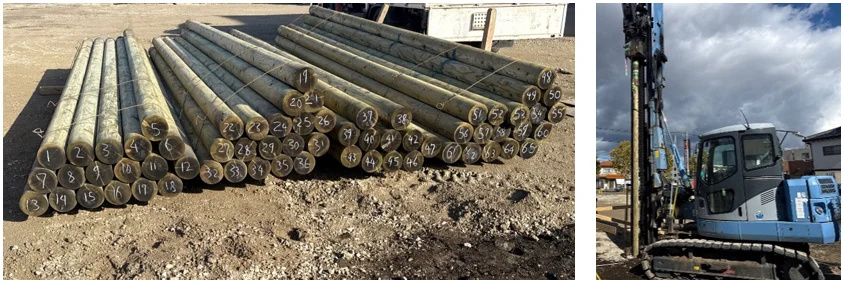
Wood is also utilized in ground improvement, which is not visible to the eye. In addition to the conventional cement-based method, the company has introduced a wooden pile method (environmental pile method) using cedar grown in the prefecture. This method reduces CO2 emissions throughout the entire lifecycle of the building, from construction to demolition. Through this verification experiment, the company intends to verify the compatibility of economic rationality and "local production for local consumption" in wooden construction.
Currently, the utilization of forest resources and the revitalization of the forestry industry are pressing issues in many regions of Japan. The active use of local timber by convenience stores, a commercial facility closely linked to people's daily lives, will not only directly contribute to local reforestation, but will also have a significant impact on supporting the sustainability of the forestry industry.
The conversion of a place used on a daily basis into a wooden structure will provide an opportunity for users and neighborhood residents to think about the recycling of local resources and environmental issues. This attempt by a major retailer to work deeply with the local forestry industry is an example that goes beyond the mere conversion of a single store into a wooden structure and accelerates the implementation of wooden architecture in society.