Photo by Yuho Hifumi
Making the Ate Forest "Visible" and Connecting It to the Future: Reconsidering Forest Heritage Management in the Context of Noto's Reconstruction
Updated by Yuho Ichijimi on March 16, 2026, 9:26 PM JST
winning hand containing one of each terminal and honor tile plus one extra copy of any of them
Yuho HIFUMI
Ishikawa prefecture (Hokuriku area)
He joined the Ishikawa Prefectural Government in 2012. After working on forest planning and forest GIS, he worked as a forestry extension advisor at the Agriculture and Forestry General Office, where he was involved in the registration of "Noto's Ate Forestry" as a forestry heritage site and the establishment of the "Creative Reconstruction Platform for Noto Using Ate Forestry and Noto Hiba" after the Noto Peninsula Earthquake of 2024. He holds a Master's degree in Global Environmental Studies from Kyoto University. He is a Noto Satoyama Satoumi Meister at Kanazawa University. Forest General Supervisor (Forester).
The "ate forestry of Noto" has been supported by the unique skills and wisdom developed through years of practice by our predecessors. However, due to the damage caused by earthquakes and torrential rains, the lack of bearers in farming and mountain villages, and the outbreak of disease, its succession has come to a crossroads. This paper introduces the characteristics and challenges of the ate forestry that has been handed down in Noto, as well as new efforts to diagnose and regenerate forests using digital technology.
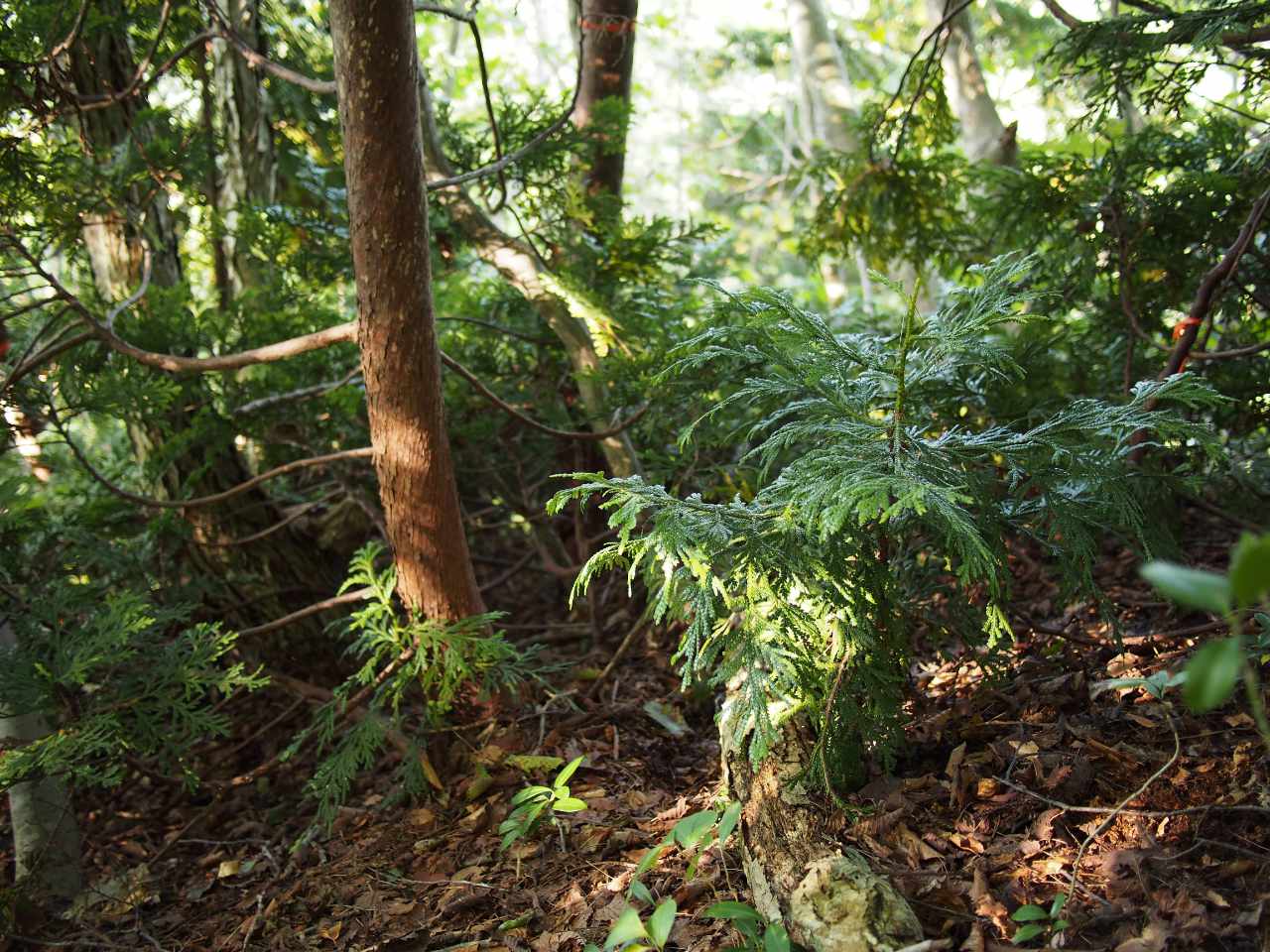
The forestry heritage "Ate Forestry of Noto" is a unique system of operations derived from the practices of Noto's farmer-foresters, and is characterized by its selective thinning forest landscape, in which trees are repeatedly planted and thinned in the same location. Ate (Hinoki asunaro), although slower growing than cedar, is highly shade tolerant and can survive and grow for a long period of time even in low light environments on the forest floor. It also excels at clonal propagation through "fusejo renewal," in which it grows by rooting from branches, etc. In natural forests, there are many fusejo renewed ates around mature ates.
The forestry families of Noto have long practiced a unique silvicultural technique that ”imitates” the ecology of the young ates, in which the lower branches of the ates are held to the ground with stones to encourage root development. These techniques were born from the observation and ingenuity of individual forestry families, and are thought to have shaped Noto's unique style of forestry.
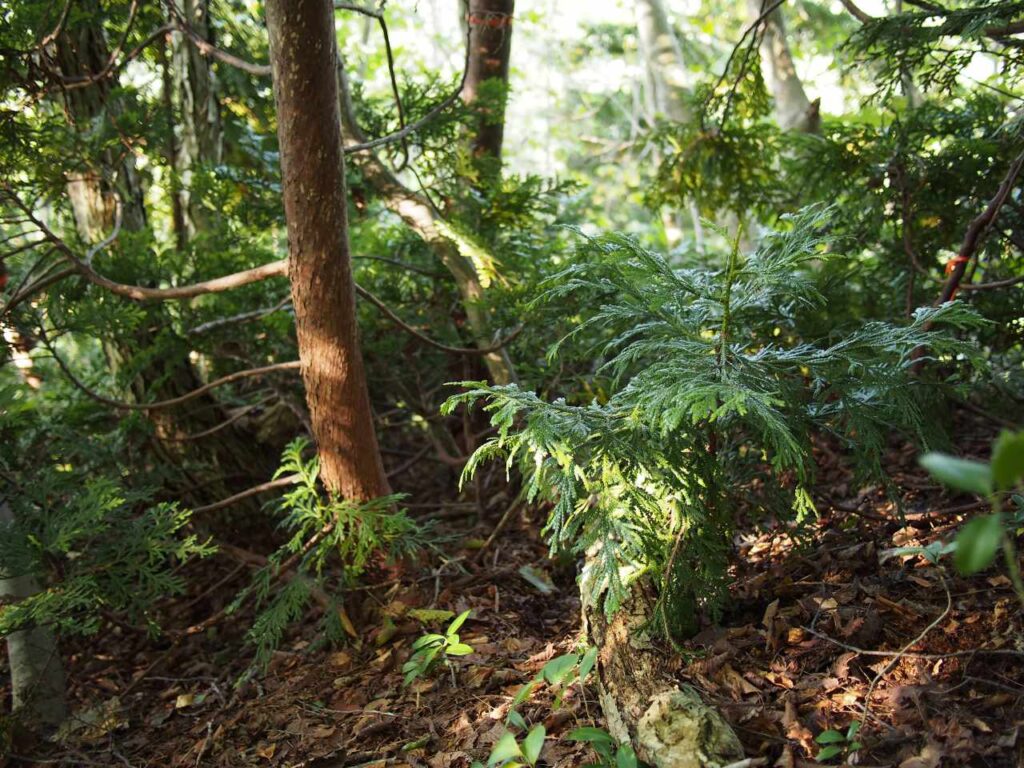
On the other hand, this particular artificial forest landscape is said to be the result of repeated logging and silviculture on a "whim," so to speak, according to the demands of the moment, such as household income, without standards for density and age composition, which are important factors in forestry management. Because the perspective on how to cultivate and renew the forest structure over the long term is weak, decisions on logging and renewal tend to be made on an individual basis, and field surveys conducted by experts frequently report a lack of illumination in the forests and delays in thinning.
This "delayed thinning" is a particularly troublesome problem for the growth of young ates. In a dark, damp and poorly ventilated environment, the atelier is susceptible to "wax disease," and if left unchecked, rot will set in from the periphery of the wood, greatly reducing its value as timber. In addition, there have been cases where trees have been planted under the trees with the aim of creating a multi-tiered forest, but the upper layers have not been thinned sufficiently, so that after a few years the forest becomes dark again and the lower layers stop growing (or in the worst case, die). Even shade-tolerant atte trees need a certain amount of light to grow.
Besides the low price of timber, such ambiguity in management has been pointed out as the reason why the succession of ate-selective logging forests has not been achieved.
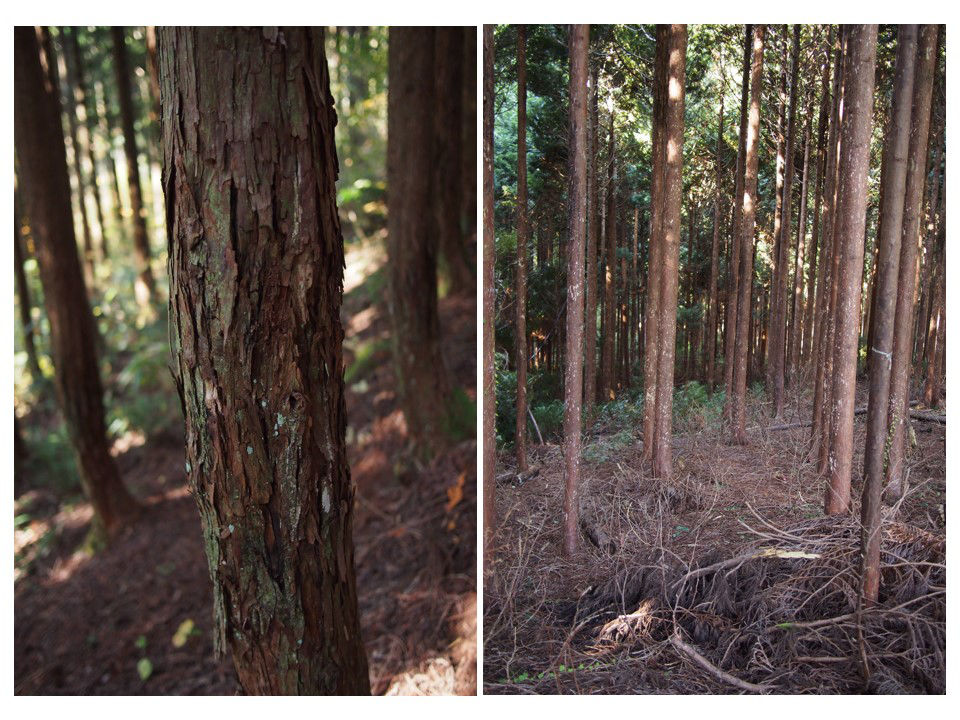
Under these circumstances, the Noto Forest Association, consisting of forest owners in two cities and two towns in Okunotono, including Wajima City, has embarked on a project to restore the forests of Ate, a forestry heritage site, with a grant from the Norinchukin Bank's "Forest Restoration Fund" (commonly known as the Mori-Chikara Fund), a charitable trust.
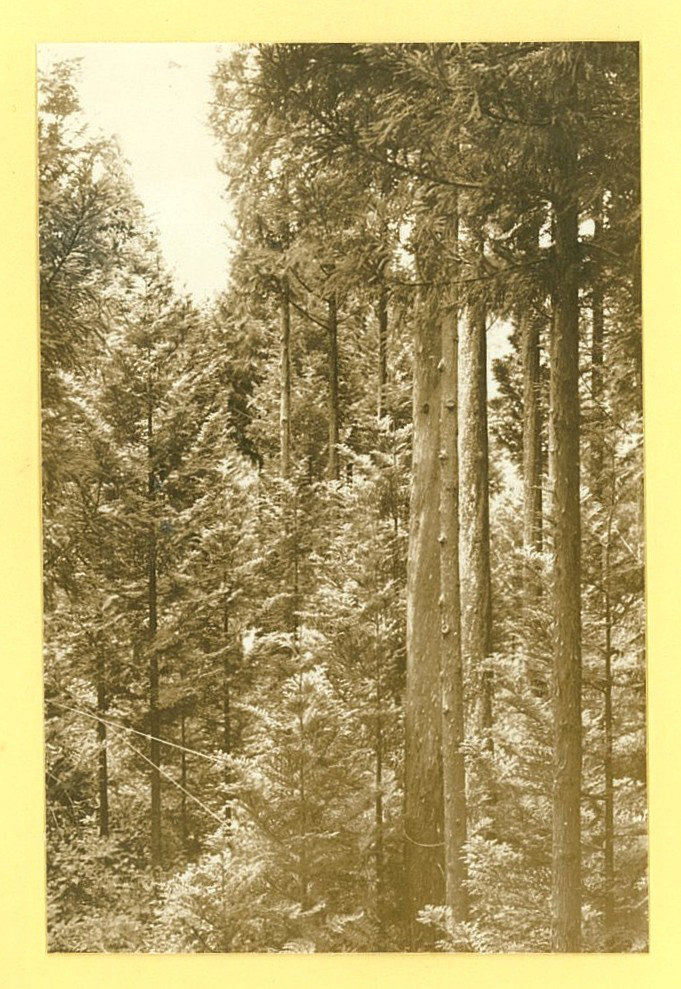
The town of Mii-cho, Wajima City, which was selected as the target site, was once a "tree town" with a booming forestry industry. It was known as a major producer of ates, and the local train station served as a lumber depot when freight trains operated on the Japan National Railways (JNR). While some 100-year-old cedars and ates can be seen in the surrounding mountains and have been tended to over the years, the complex forest structure, with each brush stroke having a different size and species of tree, makes it difficult to formulate a future management plan. In addition, there are few records of the past in privately owned forests, and it is difficult to trace the history of where and when the ates were planted and what kind of care (thinning, pruning, etc.) was taken over the years.
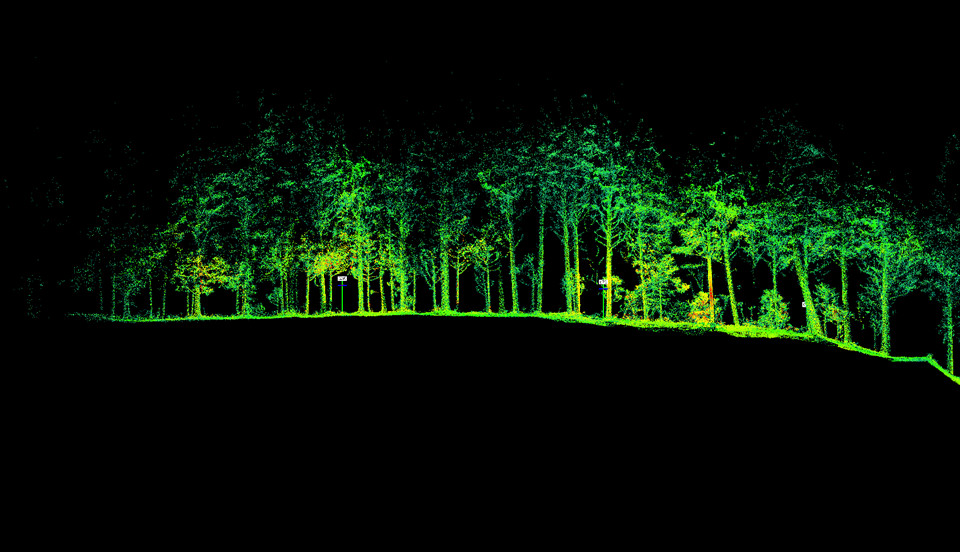
Therefore, this project started with a detailed scan of the forest structure from both the ground and the sky to "decipher" the forest, using "smart forestry" technologies (laser measurement, drones, etc.), which have been increasingly utilized in forestry in recent years. With the data on tree species, number of trees, diameter, etc. available, forest types can be classified into "single layer forest / multiple layer forest" and "simultaneous forest / mixed forest," and decisions on whether to "cut down" or not and estimates of harvest volume can be made based on the growth and crowding of the trees.
This information can then be stored in a geographic information system (GIS) for forestry and "visualized" as a digital map to determine the scope of felling, the location of the road network for the work, and other specific details of the work in the field, and to proceed with the project. The ground laser measurements taken this time even recorded point cloud data and coordinates representing the shape of each tree, and with more advanced analysis, it is expected to be used in the future to estimate "tree health and vitality" and to make tree selection decisions such as "which trees to keep and which trees to cut down.
In addition to the forest stand survey, land boundary surveys were also conducted in this project. Since many of Noto's mountain forests have not yet been cadastral surveyed, in many cases the owners do not know the boundaries of their land, which has delayed the formation of consensus on forest development. The forest data acquired by smart forestry technology can be used to create highly accurate topographic maps, which are also very effective in estimating the boundaries of such forests.
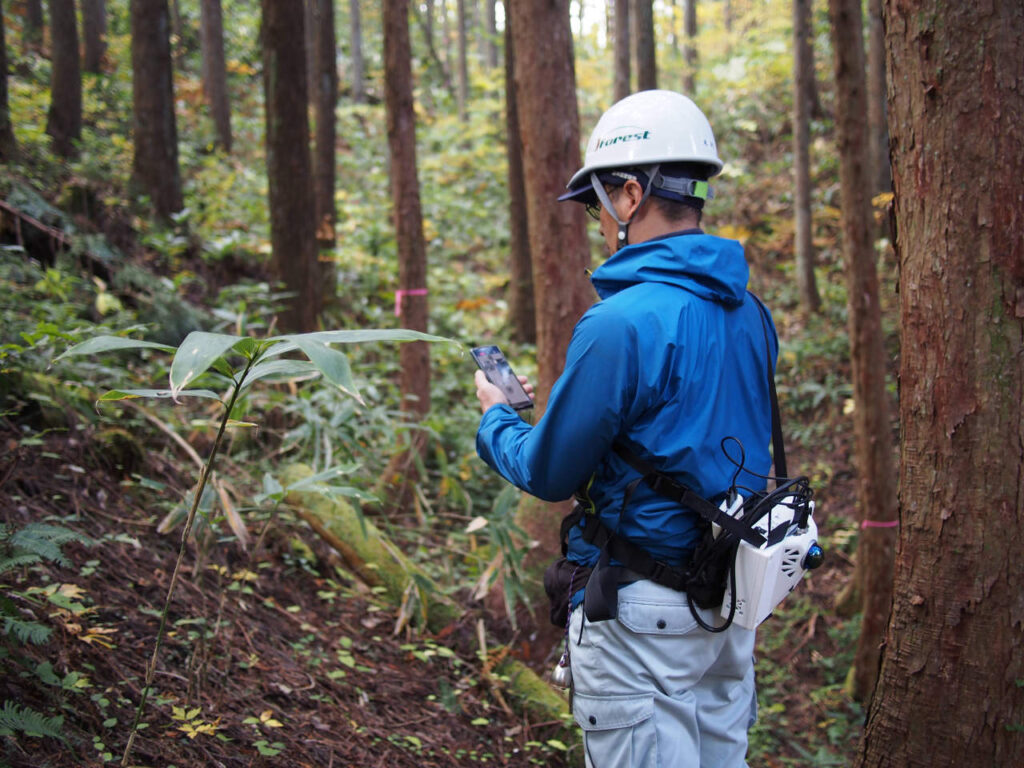
In Okunoto, veteran foresters and forestry union officials who have supported the ate forestry industry are retiring from the front lines, and it has become a challenge to pass on the management that has relied on experience and memory to younger forestry workers. The forest survey conducted in this project clarified the condition and boundaries of the forest, and laid the groundwork for consensus building among forest owners and on-site technicians. By "visualizing" the structure and history of the forest, practices that were dependent on individual judgment can be transformed into a more scientific and sharable form. This is an essential initiative for the sustainable development of local forests, and must be continued in the future.
Ate forestry in Noto is based on the accumulation of wisdom and practices built up by local people over a long period of time. Now is an opportune time to combine tradition and new technology to create an environment in which the next generation can safely inherit the forests. =Continue to Part 2 (by Yuho Hitomi, Forest Management Division, Department of Agriculture, Forestry and Fisheries, Ishikawa Prefecture)
*References
Wajima Forestry Office, Ishikawa Prefecture: Density Management Methods for Ate Selective Cut Forests Using Yield Density Charts. Ishikawa Prefecture (Extension materials) (1994) (in Japanese)