


Updated by the Editorial Department of *Forest Circular Economy* on November 5, 2026, at 7:39 p.m. JST
Editorial Board, Forest Circular Economy
Forestcircularity-editor
We aim to realize "Vision 2050: Japan Shines, Forest Circular Economy" promoted by the Platinum Forest Industry Initiative. We will disseminate ideas and initiatives to promote biomass chemistry, realize woody and lumbery communities, and encourage innovation in the forestry industry in order to fully utilize forest resources to decarbonize the economy, strengthen economic security, and create local communities.
Across the country, neglected bamboo groves are spreading in satoyama and forests, and the “bamboo-related damage”—including ecosystem destruction and an increased risk of landslides—has become a serious regional issue. Despite obstacles such as sluggish demand for traditional bamboo products, high costs associated with harvesting and collection, and the lack of established processing methods, efforts to transform bamboo into a valuable resource have gained momentum in recent years through multifaceted approaches spanning food, agriculture, manufacturing technology, finance, and decarbonization. From the large-scale utilization of young bamboo through the commercialization of domestically produced menma to the conversion of unused bamboo into soil-improvement powder, the development of sustainable industrial products, the demonstration of high-density bio-molded charcoal made from waste bamboo, to supporting business growth through positive impact finance—regional circular models are spreading that directly link the resolution of environmental challenges to the creation of new markets and revenue generation.
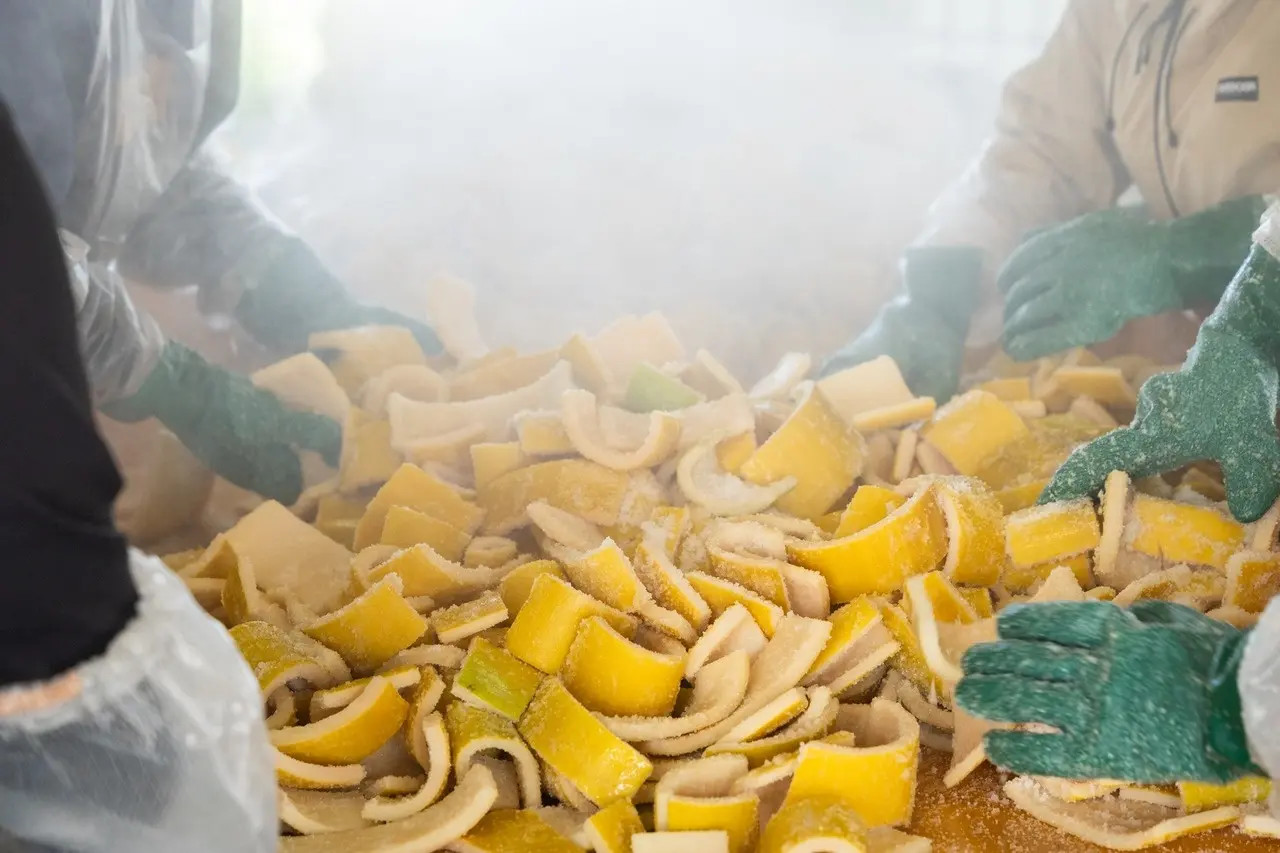
Takujiro, a company working to repurpose abandoned bamboo groves in Itoshima City, Fukuoka Prefecture, and other areas, completed the initial salting process for domestically produced menma in May of fiscal year 2026. The salting process, which took about three weeks, yielded approximately 125 metric tons of salted raw material, marking one of the largest-scale processing operations for domestically produced menma in Japan. The company launched a project in April 2021 to produce domestically sourced menma using neglected bamboo groves. This fiscal year, a total of approximately 500 people—including local residents and corporate employees—participated in the work, felling and processing about 60,000 young bamboo shoots. The company is working to expand the “Itoshima Model”—a regional circular economy initiative that balances environmental conservation with the revitalization of the local economy—in collaboration with producers and organizations across 35 prefectures nationwide, and aims to establish a production capacity of 500 metric tons of domestically produced menma raw materials by fiscal year 2027. Abandoned bamboo groves, which encroach on forests and satoyama (traditional wooded landscapes), have become a nationwide environmental issue, as they lead to a decline in biodiversity and an increased risk of landslides. Meanwhile, more than 99 percent of the menma distributed in Japan relies on imports. The company’s initiative to monetize bamboo harvesting and maintenance as a food industry can be described as a regional circular economy model that supports the sustainable management of neglected bamboo groves and the promotion of local industry.
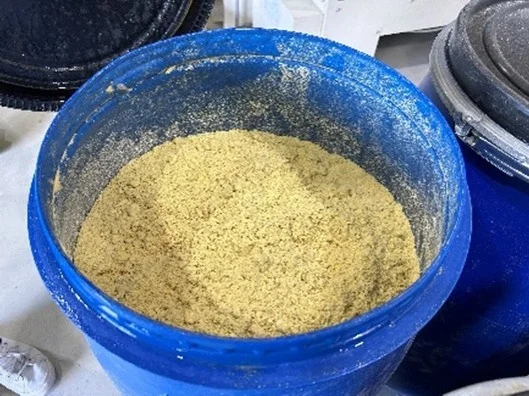
Haseko Corporation and its group company, Haseko Anshin Deli, have jointly developed a new soil improvement technology that combines “bamboo powder”—made by grinding unused bamboo generated during bamboo grove maintenance—with food recycling compost. Field trials were conducted on two rice paddies at Haseko Anshin Deli’s Otsu Farm. In the treatment plots where this soil amendment was applied, the yield per unit area increased by 17.8% and 18.8%, respectively, compared to the conventional plots. In addition, soil analysis using ecosystem DNA diagnostic technology developed by Sunlit Seedlings—a startup spun off from Kyoto University—confirmed changes in the composition of the soil microbial community, suggesting improvements in soil functions such as the suppression of nutrient leaching and disease control. Moving forward, the plan is to optimize application conditions and expand the range of crops treated, with the goal of achieving practical implementation while confirming reproducibility. As an initiative that simultaneously recycles unused bamboo and food waste and bridges the gap between environmental technology and agricultural practices, it is expected to contribute to a circular agricultural system that leverages the functions of the soil ecosystem.
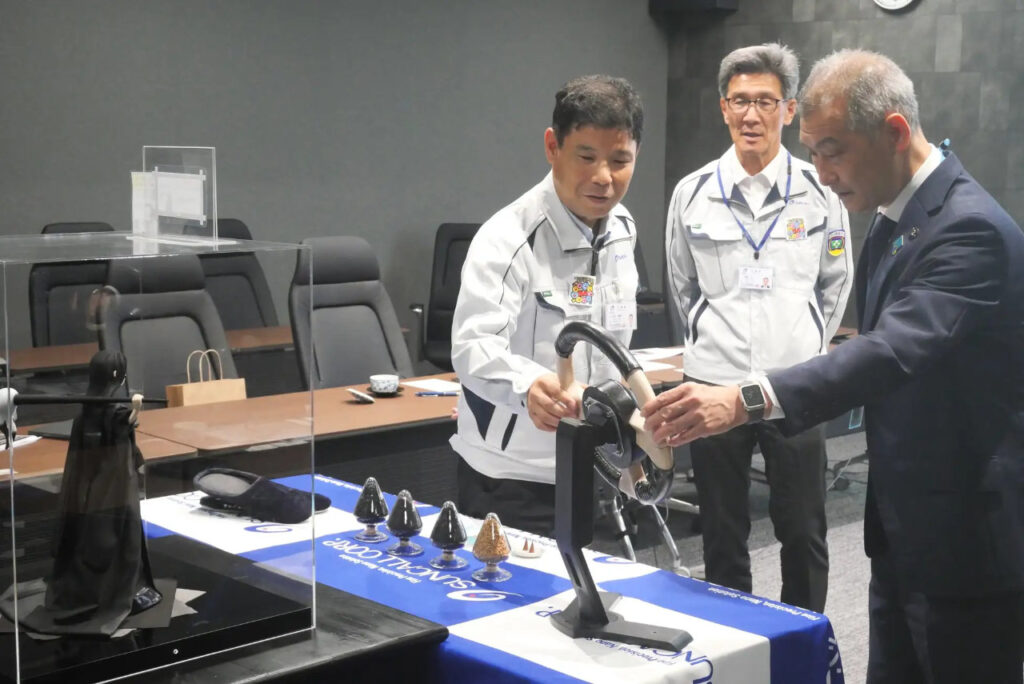
In July, Suncall, a leading manufacturer of precision parts, received a courtesy visit from Miyazu City Mayor Masafumi Shirozaki and shared the progress and development results of the “Bamboo Sustainability Project,” which the company is promoting in collaboration with the city. The company uses bamboo harvested from abandoned bamboo groves within Miyazu City as raw material to manufacture industrial bamboo charcoal—“Kyokaguya-sumi®” and “KYOBAMBLACK™”—using its proprietary technology. Most recently, the company developed an automotive steering wheel that combines bamboo cellulose resin with synthetic leather derived from bamboo charcoal; this product received high praise at trade shows, demonstrating the company’s steady progress in commercializing a diverse range of products that leverage the functional properties of bamboo. In Miyazu City, home to abundant natural beauty including Amanohashidate, damage caused by neglected bamboo groves has become a serious local issue. The company’s efforts to transform bamboo—which the region views as a nuisance—into high-value-added industrial materials represent a pioneering example of linking raw material procurement through collaboration with local government to advanced manufacturing.
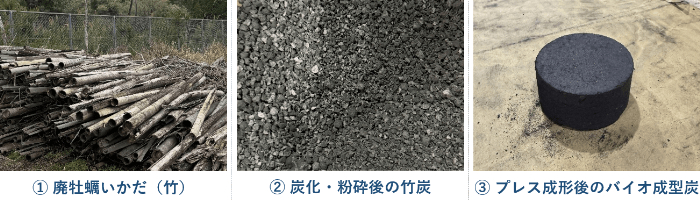
Hirotec, a major automotive parts manufacturer, and the Faculty of Engineering at Kinki University have successfully demonstrated a prototype of “bio-molded charcoal” made primarily from waste bamboo generated from oyster farming rafts and other sources in Hiroshima Prefecture. By combining the company’s expertise in large-scale press molding technology with the material processing technology of Professor Kohei Shiraishi of the Department of Chemical and Life Engineering at Kinki University’s Faculty of Engineering, they were able to densely mold carbonized waste bamboo powder. This not only ensured a calorific value equivalent to that of conventional coal coke but also significantly reduced the levels of potassium and chlorine—which cause corrosion in combustion furnaces—thereby enabling the fuel to be fed directly into existing coal-fired facilities. The company aims to commercialize and begin sales of the product by the end of 2026 for power generators and the materials industry. In Hiroshima Prefecture, which accounts for approximately 60 percent of Japan’s total oyster production, a large portion of the approximately 5,000 metric tons of bamboo oyster rafts generated annually is disposed of through open burning, creating a serious regional issue due to its environmental impact and effects on neighboring communities. Furthermore, the industrial sector faces an urgent need for practical CO₂ reduction measures that utilize existing facilities. This technology, which adds high value to waste bamboo from the fishing industry by converting it into industrial fuel, is expected to serve as a solution that contributes to both the reduction of industrial waste and the curbing of CO₂ emissions.
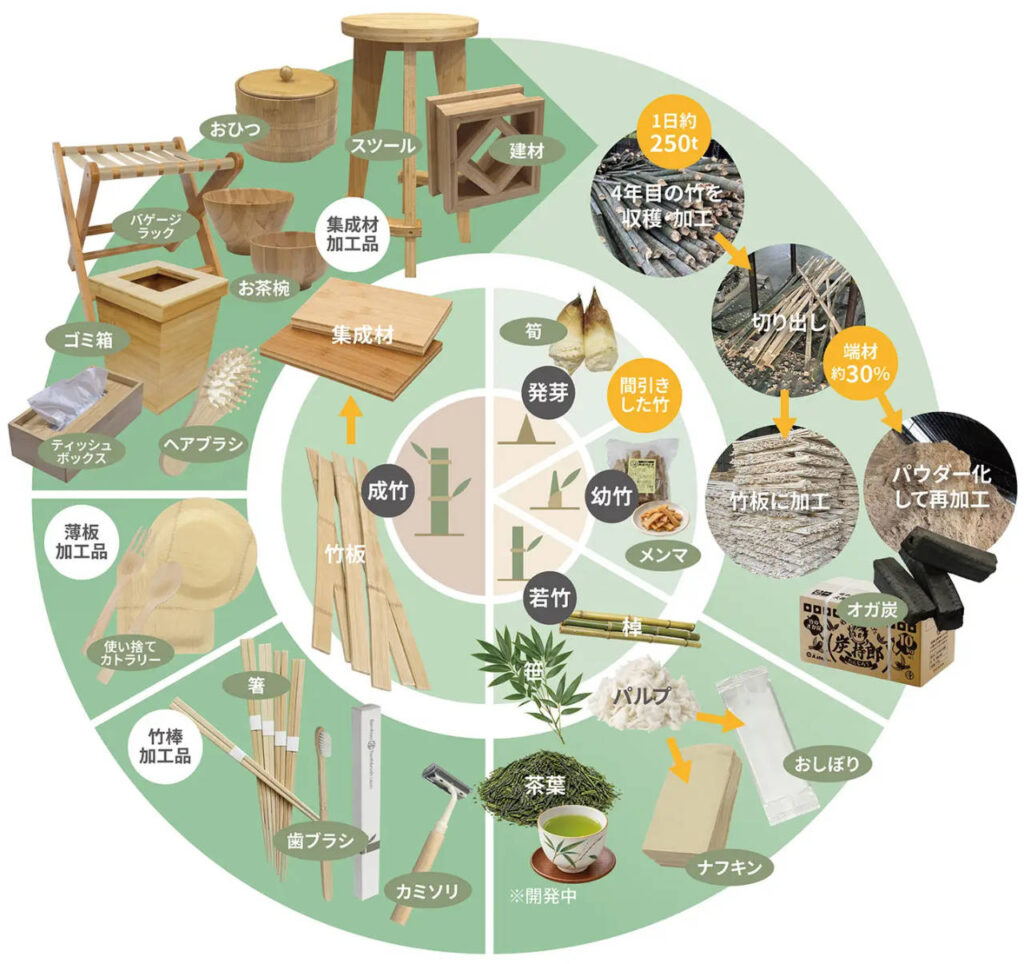
A-Step, a company that designs and sells bamboo products, received its second “Positive Impact Finance (PIF)” loan from the Shoko Chukin Bank in August. The loan amount was 170 million yen, with a monitoring period of seven years. For this PIF loan, the Central Bank for Industry and Commerce Economic Research Institute conducted an impact assessment and established KPIs, and Japan Credit Rating Agency provided a third-party opinion. Since receiving its first loan in 2023, the company has expanded the range of applications for bamboo from daily necessities such as bamboo chopsticks and hotel amenities to furniture, interior design, and building materials. In addition to completing the “TAKE TORI HOUSE” showroom this year—which utilizes approximately 27 metric tons of bamboo building materials—the company is promoting “360-degree utilization” to ensure that no part of the bamboo goes to waste, including processing thinned bamboo into menma (pickled bamboo shoots) and carbonizing or pulping offcuts. Furthermore, as part of its GX initiatives, the company has begun calculating the carbon footprint of products such as bamboo toothbrushes and has started to quantitatively visualize their environmental value. The company’s efforts to expand the uses of bamboo under the slogan “From toothpicks to houses” are drawing attention as an attempt to link the visualization of environmental value with financial mechanisms, thereby transforming measures to address neglected bamboo groves into a viable industry.
*Reference link
ASTEP Executes Second “Positive Impact Finance” Deal with Shoko Chukin | Press Release from ASTEP Co., Ltd.
