[The Priest's View] Open Innovation Created by "Harae" - The Role of Forests in Facilitating the Flow of Social Capital
Updated by Kazuhiro Aoki on April 30, 2026, 10:10 AM JST
Kazuhiro AOKI
Representative Director, WSense Corporation / DELTA SENSE Production Committee
Representative Director, WSense Corporation / DELTA SENSE Production Committee Born in Aizuwakamatsu City, Fukushima Prefecture. From a family background of flower arrangement, tea ceremony, and Noh theater, he has been exposed to Japanese culture from an early age. His interest in wood began when he witnessed a shrine carpenter "sharpening a plane" and became aware of the depth of the craft. Currently, based on the knowledge he gained as a Shinto priest, he is promoting initiatives that lead to the public interest. He is a member of the Tokyo Junior Chamber of Commerce, holds a graduate degree and an MBA (Master of Business Administration), and has been a Boy Scout and a soccer player since he was 4 years old.DELTA SENSE Official HP WSense Corporation
*Previous column is here.
The Economics of "Sanshinrei" Connecting Fragmented Forests and Cities - From Anonymous Supply Chains to Co-Creation and Circulation
[The point of this article.
Issue (qi-deficiency): The "depletion of innovation" that contemporary organizations and communities are facing stems from the "clogging of social relational capital" where human relationships and customs have become fixed and stagnant.
Sight (exorcism): Exorcism in Shinto is not merely a purification of the spirit, but a system of subtracting excess and structurally creating a "margin" into which new values can flow.
Practice (forest as a medium): By utilizing the forest (chinmoku no mori) as an "azir" (neutral and free area) where titles and hierarchies are nullified, the stagnation of the organization is cut off and true open innovation where heterogeneous knowledge intersects is activated.
In my previous column, I discussed the need for cities and forests, or between different companies, to go beyond mere transactions (supply chains) to "musuhi (co-creation of new value). However, those who are promoting open innovation and regional development in the field must be facing a cruel truth. That is, bringing together people with great resources does not necessarily result in innovation.
Why does co-creation tend to become a picture-perfect process? The fundamental cause is that "past successful experiences," "common sense in the industry," and "fixed human relations" accumulated in both organizations unconsciously reject the inflow of new knowledge. This phenomenon, called "organizational rigidity" in business administration, can be translated into one clear word when viewed through the lens of Shintoism. It is."Ki ga kirei" (deficiency of spirit).It is.
Generally, the word "defilement" tends to be associated with something impure or dirty, but its essence refers to a state of depletion and stagnation of chi (life force or energy). In closed organizations and communities, the same people, under the same rules, repeat the same thoughts. The social capital there may appear to be abundant, but in fact it is stagnant, like a reservoir without circulating water, and no new energy can be generated. No matter how many excellent ideas (seeds) are sown from the outside, they will never sprout in this state of "deadness.
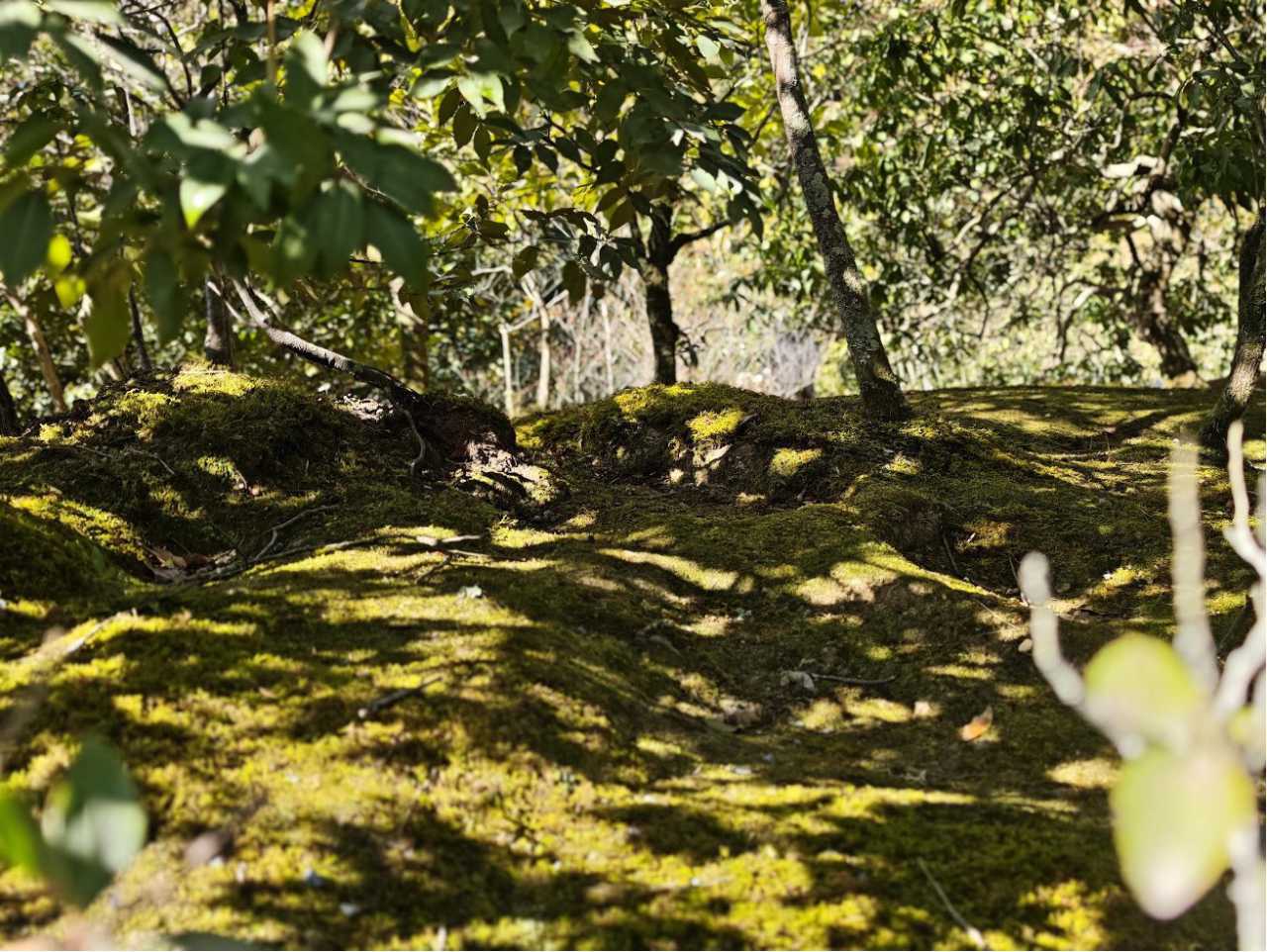
A structural system to break through this stagnant "qi-deficiency" and get energy flowing again. It is.ExorcismIn Shinto, purification is not an act of "adding" something new. Purification in Shinto is not an act of "adding" something new, but a method of subtraction to remove stagnation and "return" to the original state of purity (zero-based). Unnecessary attachments and beliefs are removed, and a space is created in which new wind and light can enter.
This is exactly the same mechanism as "thinning" in forest management. Untended, overcrowded planted forests are "dead" forests, where sunlight does not reach the ground surface and the understory vegetation does not grow. Only by thinning the forest, which is called "subtractive thinning," can the wind and light penetrate the forest, and a wide variety of plant and animal life can begin to circulate.
The same applies to "exorcism" in innovation. Without "thinning" of organizational walls, unnecessary pride, and past rules that have become assumptions, there is no room for outside heterogeneous wisdom (open innovation) to enter. In other words, in order for "musubi (co-creation)" to occur, a system of "purification (harae = creation of space)" must function as a prerequisite.
So, where should this "exorcism" take place in today's business people and communities? I believe that the space of the "forest" itself can be the most powerful exorcism device.
In urban meeting rooms, we always wear "titles" (armor) such as "president," "department head," or "expert. With this armor on, open innovation becomes a mere place of interest adjustment. But what about once you enter the forest? Standing in front of huge trees and the laws of nature that flow without regard to human convenience, the titles and hierarchies you wear in the city are suddenly nullified. In the face of overwhelming natural capital, everyone is forced to return to being a small human being.
In sociology and history, the neutral and free domain that is not subject to secular power and control."Azir (refuge and sanctuary)."It is called "the forest of the village". In the past, the "chinju no mori" in Japan functioned exactly like an asylum. By entering the asylum of the forest, people once "purged" themselves of worldly ties and reset themselves to a flat state (zero). Only when this neutral spiritual soil is in place can "true dialogue" between people from completely different contexts, such as start-ups in the city and traditional industries in the region, become possible. The forest functions as a "catalyst" to agitate and liquidate stagnant social relational capital.
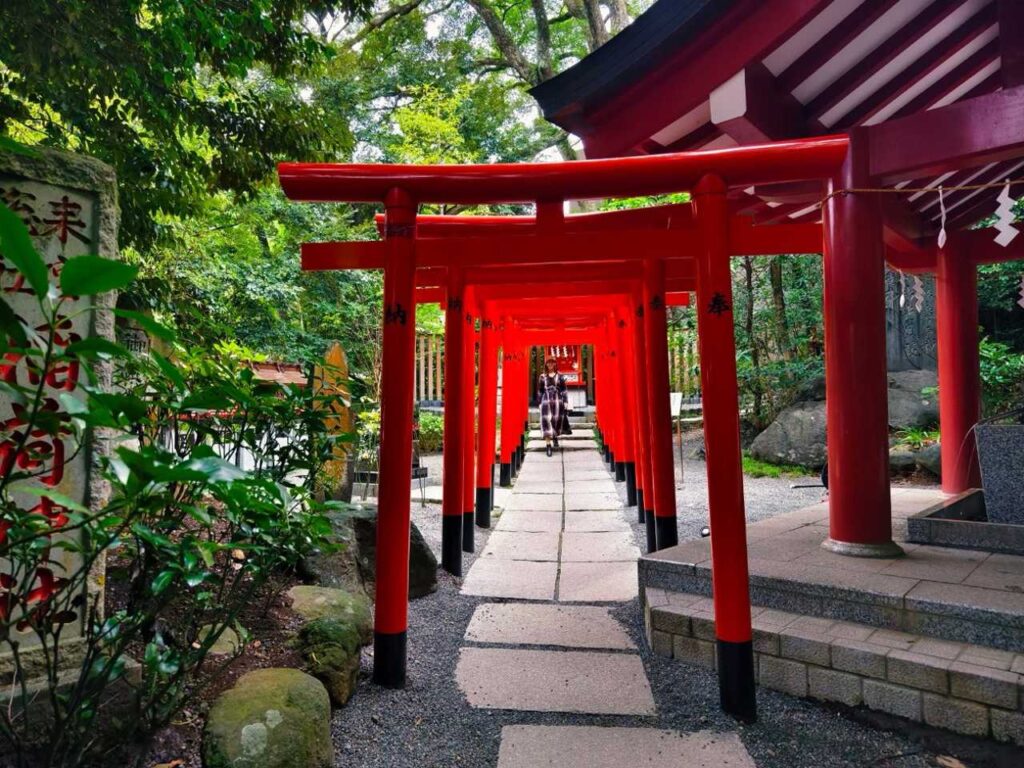
However, simply physically going to the forest does not automatically complete the "exorcism. In order to put down one's title and relax entrenched thoughts, it is necessary to have the appropriate "manner (interface)" for the space.
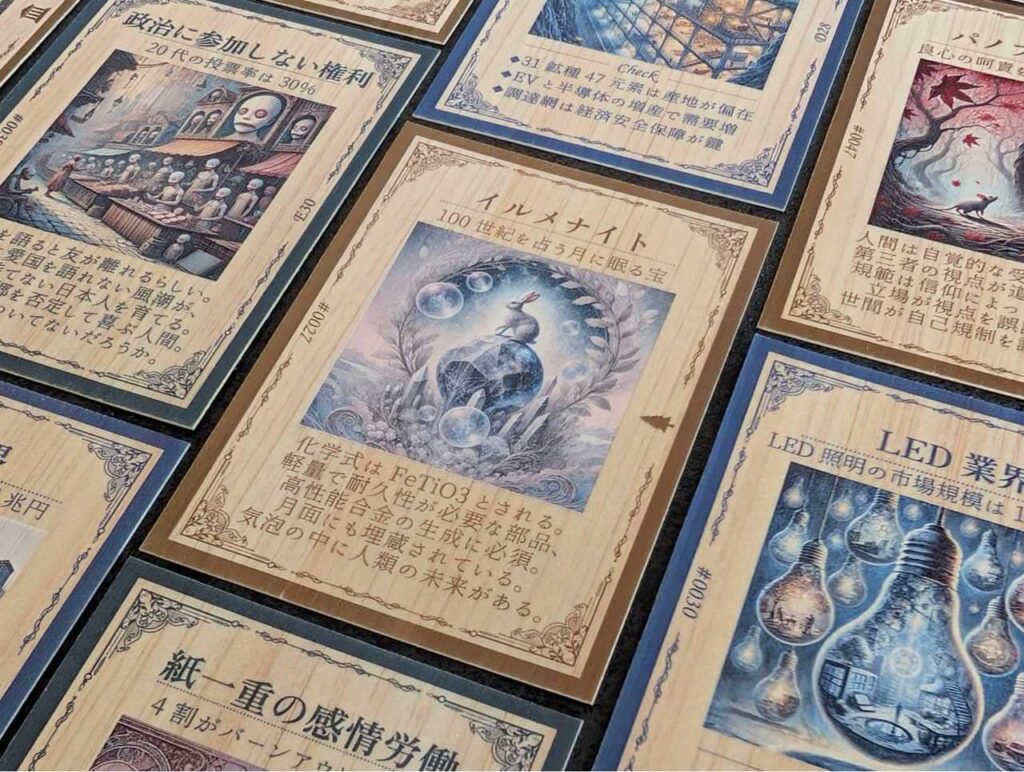
In fact, this is also the main reason why we use a tool called "DELTA SENSE," a wooden card game. These cards are not only a communication tool, but also a small "exorcism device. The scent and feel of the wood (the yorishiki) awaken the physical senses, and the abstract words and symbols, inspired by the ritual prayer, free participants from the business curse of "having to give the right answer. In the margins of "talking about what you don't know, without knowing it," the participants naturally draw out their true feelings that have been stagnant deep within themselves, and questions that question the assumptions of the organization.
This manner of "exorcism (resetting)" is also essential in bringing together leaders of different industries in a community such as Katsushika Ward. By putting existing interests on the drawing board and going through the process of creating a completely new language together, stagnant relationships flow out and are transformed into flexible social relational capital for open innovation.
The relationship between forestation and organizational development is fractal (self-similar). An overcrowded forest that has lost its light is like an organization that has lost its innovation, bound by its existing business. If "thinning" in the forest is an exorcism to restore the flow of blood in the ecosystem, "exorcism" in society is nothing more than thinning to break the bonds of the organization and invite in new knowledge.
The city must accept responsibility for the past and future from the perspective of "Nakaima," and establish a system of return based on the principle of "Kanagara. In order for the city and the forest to reap the fruits of co-creation through "musubi," it is essential to practice "purification" by utilizing the forest as an azure as the soil for such co-creation.
To cut off the stagnation of social capital and once again circulate a pure blood flow between people and between people and between people and nature. This is the most fundamental and cutting-edge "manner of innovation" that can be derived from Shinto, Japan's fundamental culture. What we need is not to add something new, but to stand in front of the forest and restore the margin. (Kazuhiro Aoki, President, WSense Corporation / DELTA SENSE Production Committee)